Description
Monoethylene Glycol (MEG): Premium Petrochemical Solution for Industrial Needs
Introduction
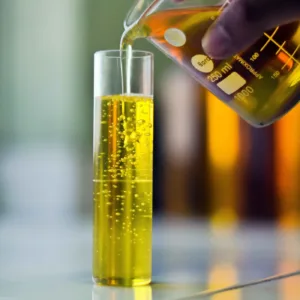
Monoethylene glycol (MEG), also known as ethylene glycol, is a versatile organic compound widely recognized as a cornerstone in the petrochemical industry. As a clear, colorless, and slightly viscous liquid, petrochemical MEG serves as a critical raw material in the production of polyester fibers, resins, and antifreeze formulations. Its industrial importance stems from its excellent hygroscopic properties and low volatility, making it indispensable for manufacturing processes that demand high performance and reliability. For international B2B buyers seeking a dependable monoethylene glycol supplier, MEG export from Iran offers high-quality options backed by robust production capabilities. In a global market driven by sustainability and efficiency, petrochemical MEG continues to play a pivotal role in advancing sectors like textiles, packaging, and automotive, ensuring products meet modern demands for durability and environmental compatibility.
Technical Specifications
Understanding the technical specifications of industrial ethylene glycol is essential for buyers evaluating its suitability for specific applications. Petrochemical MEG typically features a molecular formula of C2H6O2 and a CAS number of 107-21-1. It appears as a clear, colorless liquid with no discernible odor, boasting a purity level of at least 99.8% in premium grades.
Key physical properties include a boiling point range of 196–199°C at atmospheric pressure, a freezing point of -13°C, and a density of approximately 1.115 g/cm³ at 20°C. Chemically, MEG antifreeze exhibits excellent miscibility with water, alcohols, and aldehydes, with a viscosity of about 16.1 mPa·s at 25°C. Performance attributes encompass a flash point of 111°C (closed cup) and a refractive index of 1.430–1.432 at 20°C. Acidity, measured as acetic acid, is kept below 0.005%, while water content is minimized to 0.08% maximum to prevent degradation.
For monoethylene glycol suppliers focused on MEG export from Iran, these specifications ensure consistent quality, with low levels of impurities like diethylene glycol (DEG) at under 0.1%. Such detailed properties make industrial ethylene glycol ideal for processes requiring precise thermal stability and solvent capabilities, as substantiated by industry standards.
Applications
The applications of MEG span numerous industries, highlighting its role as a multifaceted petrochemical MEG. In the textile sector, MEG for polyester is fundamental, serving as a precursor in producing polyethylene terephthalate (PET) fibers and resins, which account for over 70% of global MEG consumption. This enables the creation of durable fabrics, apparel, and technical textiles with superior strength and wrinkle resistance.
In the automotive and HVAC industries, MEG antifreeze is widely used in coolants and heat transfer fluids, protecting engines from freezing and overheating while enhancing system efficiency in gas compressors and ventilation setups. Packaging benefits from industrial ethylene glycol in PET bottle production, offering lightweight, recyclable solutions for beverages and consumer goods.
Additionally, MEG plays a vital role in natural gas processing as a hydrate inhibitor, preventing pipeline blockages in cold environments. Other uses include de-icing fluids for aviation, inks, coatings, and even pharmaceutical intermediates. For buyers sourcing from a monoethylene glycol supplier, these diverse applications underscore MEG’s value in driving innovation across plastics, detergents, and energy sectors.
Export & Supply Insights
Global demand for petrochemical MEG is surging, particularly in regions like Asia, the Middle East, Africa, and Europe, where rapid industrialization fuels the need for MEG export from Iran. Asia-Pacific leads with over 57% market share, driven by textile and packaging booms in China and India, making it a prime destination for industrial ethylene glycol shipments.
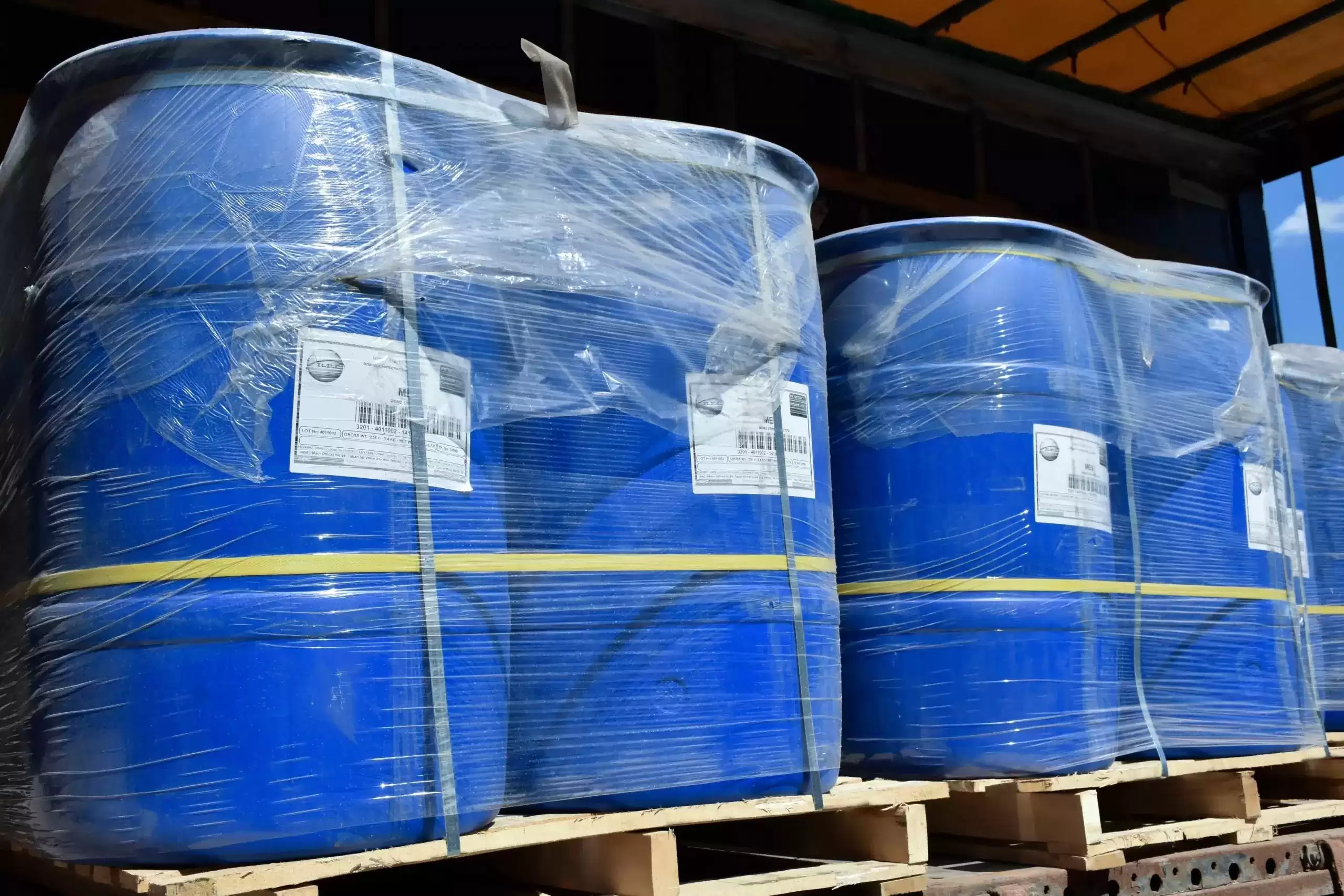
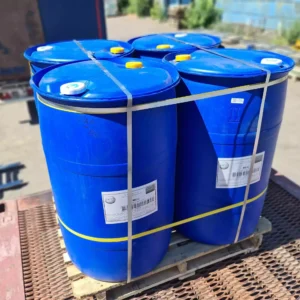
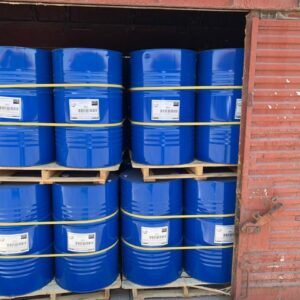
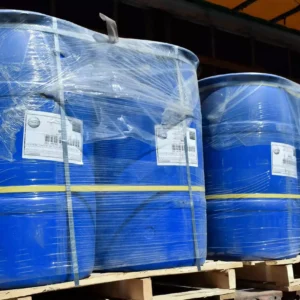
Middle Eastern buyers value MEG for polyester in oil and gas applications, while African markets seek MEG antifreeze for infrastructure development. European importers prioritize sustainable sources, appreciating Iran’s competitive pricing and proximity for efficient logistics. As a key monoethylene glycol supplier, Iran exports high volumes via bulk, drums, or IBCs, benefiting from strategic ports and production capacities exceeding millions of tons annually. This positions MEG export from Iran as a reliable option amid fluctuating global supplies, with forecasts predicting market growth to USD 57 billion by 2033.
Compliance & Standards
Compliance with international standards is a hallmark of quality petrochemical MEG. Products from reputable monoethylene glycol suppliers adhere to certifications like ASTM D8311 for impurity testing and IS 5295:2021 for ethylene glycol specifications, ensuring low levels of contaminants and consistent performance.
Environmental regulations, such as REACH in Europe, guide safe handling, with MEG classified under OSHA guidelines for occupational safety. MEG export from Iran often meets ISO 9001 quality management and HALAL certifications for broader market access. These standards minimize risks like moisture absorption and promote eco-friendly practices, making industrial ethylene glycol a compliant choice for B2B buyers focused on regulatory adherence.
Advantages for Buyers
Choosing petrochemical MEG offers distinct advantages over alternatives like propylene glycol or diethylene glycol. Its superior thermal conductivity and lower freezing point make MEG antifreeze more efficient in extreme conditions, reducing operational costs by up to 20% in cooling systems.
As a cost-effective ethylene glycol raw material, MEG for polyester provides higher selectivity and yield in resin production, outperforming substitutes in durability and process efficiency. Buyers benefit from its reliability, with consistent purity minimizing downtime, and competitive pricing from MEG export from Iran enhancing profitability. Environmentally, MEG’s recyclability supports sustainable practices, positioning it as a preferred option for forward-thinking industries.
| Property | Monoethylene Glycol (MEG) | Propylene Glycol (PG) |
|---|---|---|
| Freezing Point | -13°C | -59°C (but less effective in blends) |
| Thermal Conductivity | Higher (better heat transfer) | Lower |
| Toxicity | Higher (requires careful handling) | Lower (food-grade safe) |
| Cost per Ton | More affordable for industrial scale | 30% higher on average |
| Primary Use Efficiency | Superior in polyester and antifreeze | Better for non-toxic applications |
Monoethylene glycol stands out as an essential petrochemical for global industries, offering unmatched versatility. As a leading monoethylene glycol supplier, Iran’s exports ensure timely, high-quality supply to meet rising demands. MEG for polyester and MEG antifreeze drive efficiency in textiles, automotive, and energy sectors worldwide. Its compliance with standards like ASTM and IS guarantees safety and reliability for B2B buyers. Ultimately, petrochemical MEG’s cost-effectiveness and performance make it indispensable for sustainable industrial growth.
- High Purity and Stability: With 99.8% purity, petrochemical MEG minimizes impurities, ensuring consistent results in demanding applications like PET resin production.
- Versatile Industrial Applications: From MEG antifreeze in coolants to MEG for polyester in fibers, it supports multiple sectors with superior hygroscopic properties.
- Competitive Global Sourcing: MEG export from Iran provides cost-effective, large-scale supply with flexible packaging options for international buyers.
- Environmental Compliance: Meets rigorous standards, promoting eco-friendly use in recyclable products and reducing operational waste.
Reviews
There are no reviews yet.