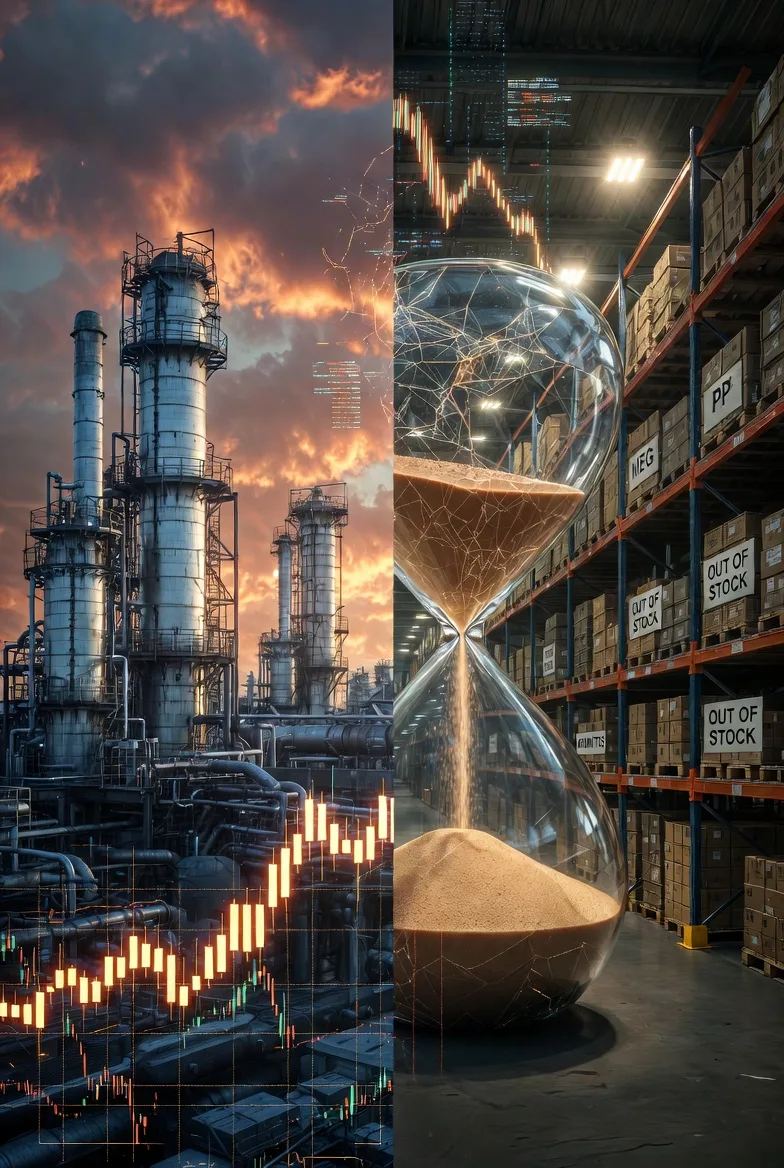
1. Why Petrochemical Shortages Happen Even When Production Grows
On the surface, it seems contradictory:
Worldwide petrochemical capacity increases every year… yet many products still experience periodic or chronic shortages.
This happens because supply and demand never expand at the same speed.
Several factors cause this mismatch:
1. Demand sometimes grows faster than capacity
Consumer markets — especially in China, India, Africa, and Southeast Asia — expand rapidly.
For example, a 1% rise in GDP can increase polymer demand by 1.5–2%.
2. Refineries and crackers have long investment cycles
A new ethylene cracker takes 3–5 years to build.
Demand can surge in 6 months.
This lag ensures that shortages can appear even when investment is active.
3. Products tied to crude oil volatility stay unstable
Aromatics (BTX), MEG, Methanol, and polyolefins react quickly to:
Frequent volatility means frequent shortages.
4. Planned and unplanned shutdowns
Maintenance outages in:
South Korea
Saudi Arabia
China
Europe
immediately reduce export availability.
2. The Role of Geopolitics and Trade Restrictions in Supply Tightness
Geopolitical tensions create artificial shortages.
Examples include:
Sanctions restricting exports
Import tariffs reducing trade flow
Shipping route disruptions (Red Sea, Panama Canal)
Regional conflicts affecting ports
These disruptions make supply unreliable, especially for products such as:
PE100, MEG, LDPE, Methanol, PA, and solvents
Aromatics that depend heavily on global trade routes
Products shipped mainly from the Middle East
In some cases, the product exists — but cannot reach the buyer.
This creates a perceived shortage, which increases prices.
3. Feedstock Constraints: The Hidden Root of Many Shortages
Some petrochemicals depend entirely on limited feedstocks.
Example:
MEG → relies on ethylene supply
PVC → depends on chlorine availability
PP → tied to propylene supply
Aromatics → tied to naphtha availability
If any feedstock becomes tight, the finished product shortage becomes unavoidable.
This is why shortages often occur across multiple products simultaneously.
Table 1 — Petrochemicals Most Prone to Global Shortage
| Product | Main Cause of Shortage | Sensitivity Level |
|---|
| MEG | Ethylene tightness, China demand | High |
| PP | Propylene constraints | Medium–High |
| PVC | Chlorine supply + construction sector | High |
| Methanol | Gas feedstock issues | Medium |
| Aromatics (BTX) | Naphtha shortages | Very High |
4. Shipping and Logistics: The Modern Driver of Imbalance
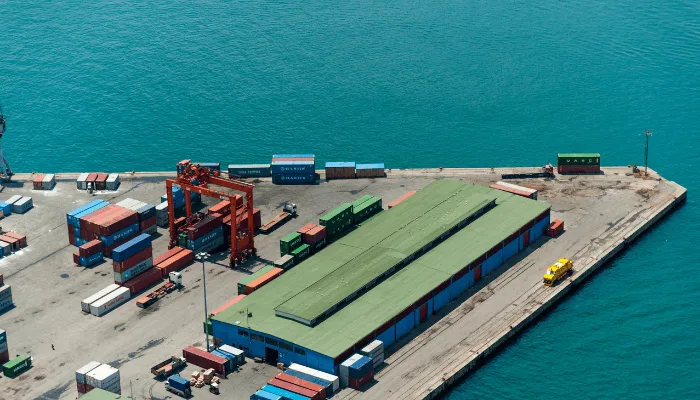
Even when production is stable, logistics can create shortages.
Major factors include:
These issues increase delivery time, forcing buyers to switch suppliers — which intensifies tightness in certain regions.
Example
A shutdown at a single port in Saudi Arabia can delay MEG and polymer shipments to China, immediately tightening Asian supply.
Table 2 — How Logistics Problems Create Artificial Shortages
| Logistic Issue | Market Impact | Resulting Shortage Type |
|---|
| High freight rates | Buyers avoid distant markets | Regional shortage |
| Port delays | Late cargo arrivals | Temporary tightness |
| Container imbalance | Limited exports | Price spikes |
| Vessel route disruption | Rerouting increases cost | Structural tightness |
5. Why Asian and African Demand Makes Shortages Worse
Asia accounts for over 55% of global petrochemical consumption.
Africa has the fastest-growing demand for polymers and solvents.
When these markets grow faster than expected:
Import dependency increases
Supplier competition intensifies
Stockpiles shrink quickly
Shortages become more frequent
Products heavily impacted by Asian demand surges:
6. Are Some Shortages Permanent?
Yes — some shortages are structural and will not disappear soon.
These include:
1. Aromatics shortage
Naphtha crackers are being replaced by gas-based crackers, reducing BTX output.
2. PVC fluctuations
Construction markets remain unpredictable and highly seasonal.
3. PP tightness
Propylene supply is increasingly unstable due to refinery transitions.
4. MEG supply shifts
China’s coal-to-MEG investments have not fully solved structural tightness.