1. The Demographic Advantage Driving Petrochemical Demand
Africa’s population is expected to double by 2050, making it the fastest-growing consumer base globally. This demographic shift directly impacts petrochemical demand through:
Housing and construction growth
Expanding water, gas, and sewage networks
Rising consumption of packaged goods
Increased automotive and appliance usage
Plastics, resins, solvents, and chemical intermediates are essential inputs for all these sectors. As income levels rise, demand for petrochemical-based products grows exponentially.
Demographics alone are turning Africa into a structural growth market.
2. Urbanization and Infrastructure Boom
Africa is urbanizing at a faster rate than any other region. Governments are heavily investing in:
Water distribution pipelines
Power transmission and insulation
Road and rail infrastructure
Affordable housing projects
Each of these projects requires significant volumes of petrochemical materials such as PE, PP, PVC, and specialty chemicals.
Unlike mature markets, Africa is building from scratch, which creates sustained long-term demand rather than cyclical consumption.
Table 1 — Key Demand Drivers for Petrochemicals in Africa
| Growth Driver: Impact | t on Petrochemical Demand |
|---|
| Population growth | Higher plastic and packaging usage |
| Urban expansion | Pipes, cables, and insulation materials |
| Infrastructure investment | Polymers, coatings, resins |
| Consumer market growth | Household plastics, appliances |
3. Limited Local Production Creates Import Dependency
Despite rising demand, Africa’s petrochemical production capacity remains limited and concentrated in a few countries. As a result:
Many countries rely heavily on imports.
Supply gaps are filled by Middle Eastern and Asian exporters.
Buyers prefer diversified sourcing to reduce risk.
This structural imbalance between demand and supply creates consistent import opportunities, especially for standard-grade petrochemicals and polymers.
Africa’s import dependency is a long-term reality, not a temporary gap.
4. Trade Liberalization and Regional Integration
The African Continental Free Trade Area (AfCFTA) is gradually reducing trade barriers between African nations. While still evolving, it is already:
Improving regional logistics
Encouraging industrial investment
Increasing demand for raw materials
As manufacturing relocates closer to consumer markets, demand for imported feedstocks and base chemicals continues to grow.
Table 2 — Africa vs Traditional Petrochemical Growth Markets
| Region | Demand Growth Rate | Market Maturity | Import Dependency |
|---|
| Africa | High | Emerging | Very High |
| Asia | Medium–High | Semi-mature | Medium |
| Europe | Low | Mature | Low |
| North America | Low | Mature | Low |
5. Why Exporters Are Shifting Focus to Africa
Exporters increasingly view Africa as a strategic alternative to saturated Asian markets because:
Competition is less intense.
Buyers are more relationship-driven
Long-term supply contracts are possible.
Growth is demand-driven, not speculative.
African buyers also prioritize reliability and consistent supply over short-term price arbitrage, making the market attractive for stable exporters.
6. Logistics and Port Development Are Catching Up
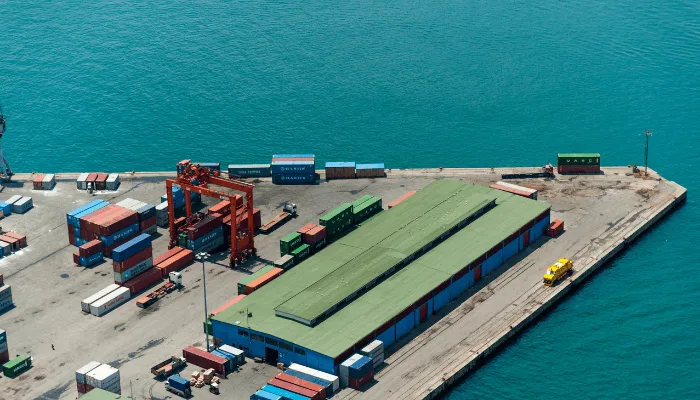
Major African ports are undergoing modernization to support higher trade volumes. Improvements include:
Expanded container capacity
Better customs digitalization
Increased storage infrastructure
While logistics challenges persist, the overall trend is clearly improving, reducing risk for exporters.
7. The Strategic Window for Early Movers
Africa’s petrochemical demand growth is still in its early stages. Exporters who establish:
Distribution networks
Local partnerships
Market knowledge
today will be better positioned as demand scales over the next decade.
Late entry will mean higher competition and thinner margins.