

English

We are here to answer your questions....

989127607241

021
921346
پاسخگوی پرسش‌های شما هستیم...
0
No products in the cart!

Cart Total: $0

021
921346
پاسخگوی پرسش‌های شما هستیم...

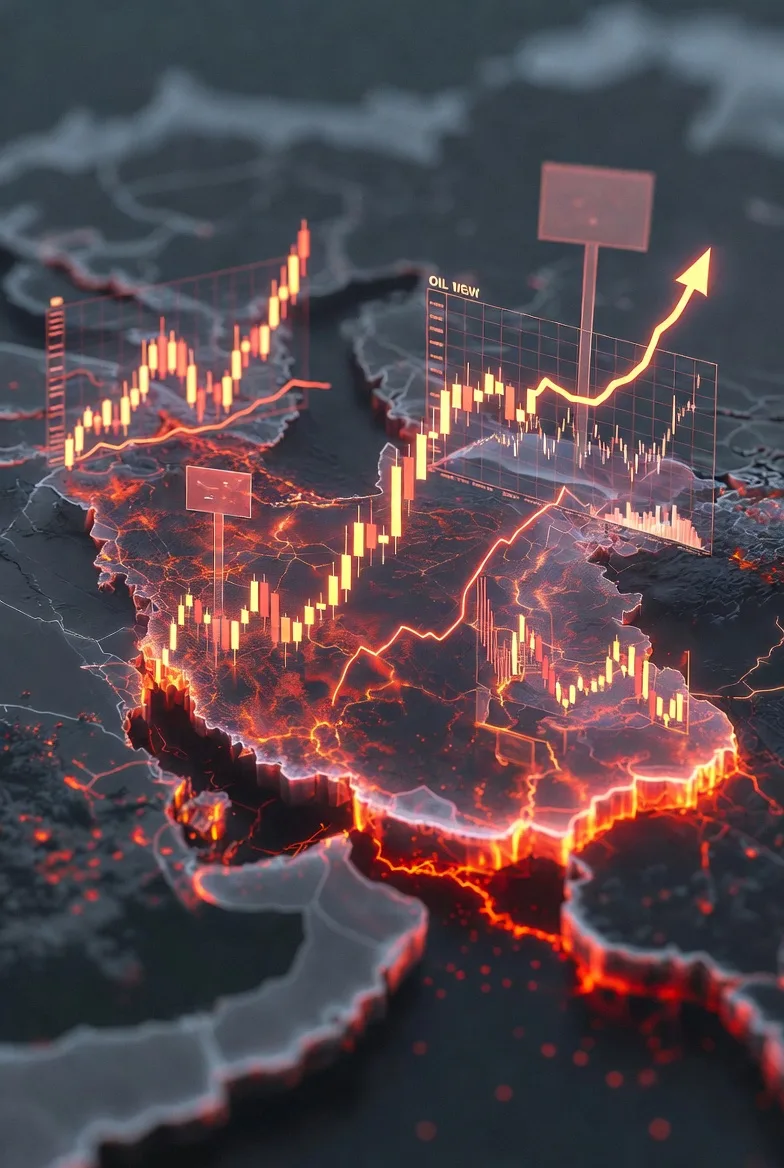
How Iran’s Nationwide Protests Could Influence Pricing Trends and Global Markets

2026-01-08
206View
PetroExportHub Admin

Tehran – January 8, 2026
Widespread protests across Iran, fueled by deep economic frustrations and rising living costs, have drawn international attention and raised questions about potential impacts not only on domestic pricing trends but also on global markets, especially in energy commodities. AP News

The unrest, described by many as the most extensive since 2022, reflects growing dissatisfaction over issues like currency depreciation, inflation, and economic stagnation. While the protests themselves remain largely separate from direct disruptions in oil production, their economic context can still influence pricing behavior in several ways.

1. Domestic Price Pressure and Inflation

The Iranian economy has been grappling with high inflation and a weakened rial, which erodes purchasing power and drives up the cost of goods. These economic pressures are among the triggers for the protests. Higher costs for staple goods, transportation, and energy inputs increase the cost of business operations, which can translate into upward price pressure on goods and services locally.

This internal pressure is most evident in essential commodities—such as food, fuel, and industrial raw materials—as households and businesses adjust to rapid cost increases. HOKANEWS.COM

2. Energy Markets and Risk Premiums

Although Iran is not among the top producers dominating global crude exports, its oil and energy sector remains geopolitically significant. Concerns about potential instability in the region—especially if unrest escalates into broader political or security risks—can impact global risk sentiment.

Historically, geopolitical tension in the Middle East often leads to increased volatility in oil prices, even if actual supply hasn’t been disrupted. Markets tend to price in a “risk premium” for potential future disruptions, especially when strategic infrastructure like the Strait of Hormuz could be affected. Cushman & Wakefield

For example, research into recent energy tensions suggests that if major supply chokepoints were threatened, prices could spike significantly. Wikipedia

3. Global Market Perception and Investment Flows

Even without direct interference in exports, protests contribute to investment risk perceptions. International investors track political stability alongside economic data when making decisions about capital allocation. Prolonged unrest can lead to:

  • Widening country risk premiums

  • Currency volatility

  • Lower foreign direct investment

This can indirectly affect commodity and stock markets linked to emerging markets, where Iran’s situation might be factored into broader regional risk assessments.

4. Limited Direct Impact on Immediate Global Supply

It’s important to note that despite internal unrest, there’s no current evidence that oil or energy exports from Iran have been significantly disrupted as a direct consequence of the protests. Analysts also point out that global energy markets are presently well supplied, with other producers compensating for potential shortfalls. Cushman & Wakefield

This means that while sentiment and risk pricing may shift, immediate global supply disruptions are unlikely in the short term, unless protests escalate into broader conflict involving critical export infrastructure.

Are you tracking how global risks may affect your trade decisions?
Follow PetroExportHub’s Market Insights for expert analysis on geopolitical developments and pricing trends in energy and commodities.

info@petroexporthub.com
www.petroexporthub.com


Category: Market Updates


News Related


PVC prices in South Asia are facing fluctuations in July 2025 due to weak construction demand, freight costs, and shifting imports from China and Iran . . .

1 minute
View news

Sulphur exports from Iran to the UAE increased sharply in July 2025 amid rising demand from fertilizer and refining industries. Discover key trends an . . .

1 minute
View news

Urea prices in Turkey dropped in July 2025 due to lower demand and increased supply from regional producers. Learn how this impacts importers and expo . . .

1 minute
View news

Iranian bitumen exports to Africa are increasing in July 2025, as regional infrastructure projects expand. Learn what this means for exporters and imp . . .

1 minute
View news
Petrochemical prices in Turkey show significant changes in July 2025 due to regional supply dynamics and currency fluctuations. See how this impacts i . . .

1 minute
View news

Sulphur exports from Iran to India increased in July 2025 due to rising demand in the fertilizer and chemical industries. Learn what this means for tr . . .

1 minute
View news

Sulphur exports from Iran to India increased in July 2025 due to rising demand in the fertilizer and chemical industries. Learn what this means for tr . . .

1 minute
View news

Tehran, Iran – PetroExportHub has announced the launch of its first granular sulphur shipments to East African ports, following a new logistics part . . .

1 minute
View news