How Petrochemical Price Indexes (ICIS & Platts) Shape Global Trade Decisions
No element affects global petrochemical trade more consistently than the price benchmarks published by ICIS and Platts. These institutions track spot transactions, production rates, feedstock costs, and shipping dynamics to create price references used worldwide. Whether the product is PE, PP, MEG, Methanol, Aromatics, or Base Oils, these two indexes set the tone for market movement.
In many ways, these benchmarks are not just reflecting the market — they are steering it.
1. Why ICIS & Platts Matter in Petrochemical Pricing
Both indexes function as trusted pricing authorities for traders, producers, and large-scale buyers. Their methodology includes:
Daily spot trade assessments
Regional supply–demand balance
Upstream price movements (crude oil, naphtha, gas)
Freight rates and insurance costs
Market sentiment and geopolitical fluctuations
Because petrochemicals respond rapidly to feedstock volatility, even a small shift in oil prices can immediately influence Platts or ICIS reports — impacting global contracts within hours.
ICIS and Platts don’t merely show today’s market price; they reflect tomorrow’s expectations.
This predictive power makes them critical for international planning.
2. How Asian Buyers Use These Indexes
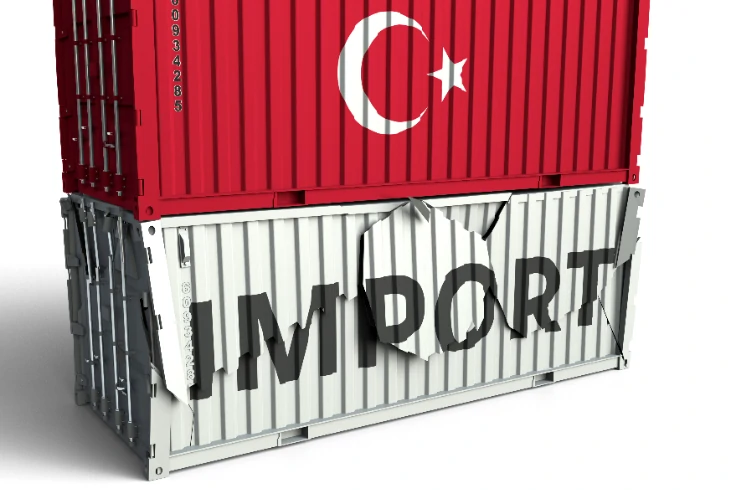
Asia — especially China, India, South Korea, Vietnam, and Turkey — is the largest petrochemical consumer globally. Buyers in this region heavily rely on ICIS and Platts to plan procurement.
They use these indexes to decide:
When to purchase
How much volume to secure
Whether to negotiate spot vs. contract deals
Whether to buy CFR or FOB
Whether to delay a shipment based on expected price drops
Example:
If Platts indicates a potential price decline for MEG or HDPE next week, many Asian buyers immediately suspend purchasing — creating a ripple effect that hits exporters across the Middle East.
This directly influences FOB Iran pricing, especially during periods of high volatility.
3. How Middle Eastern Exporters React to These Benchmarks
Producers and traders in Iran, Saudi Arabia, Qatar, and the UAE use ICIS and Platts numbers as the baseline for:
Weekly and monthly price announcements
Premiums or discounts for specific grades
Allocation strategies for China vs. Turkey vs. Africa
Payment terms and contract durations
If Platts reports a $25–$40 increase for PE or PP in Asia, Middle Eastern suppliers immediately:
Raise FOB prices
Limit available volumes
Tighten credit terms
But when indexes fall, exporters become more competitive, often offering:
The responsiveness to these indexes determines export success.
Table 1 — Comparison: ICIS vs. Platts in Petrochemical Trading
| Feature | ICIS | Platts |
|---|
| Focus | Market fundamentals & analytics | Real-time trade assessments |
| Data Frequency | Daily & weekly | Daily & intraday |
| Best For | Long-term planning | Immediate pricing decisions |
| Usage | Contract formulas | Spot cargo negotiations |
4. How Benchmarks Influence Export Prices
Most petrochemical contracts worldwide reference formulas such as:
Platts CFR China ± Premium
or
ICIS Monthly Average
For example:
MEG to India → Platts CFR India
HDPE Film → ICIS Middle East Spot
Methanol → influenced by Platts + Methanex postings
Aromatics → directly linked to Platts markers
The exporter cannot manually set a price outside of this range — global benchmarks force alignment.
Price freedom does not exist; only price strategy does.
Table 2 — How Index Changes Impact Iranian Export Prices
| Index Movement | Effect on Export Price | Market Reaction |
|---|
| Platts +$30 | FOB Middle East prices increase | Buyers pause spot purchases |
| ICIS -$20 | Regional suppliers compete | Faster buying activity |
| Crude +5% | Polymers & MEG rise globally | Demand becomes cautious |
| Weak Chinese demand | Platts declines sharply | Exporters cut prices to remain competitive |
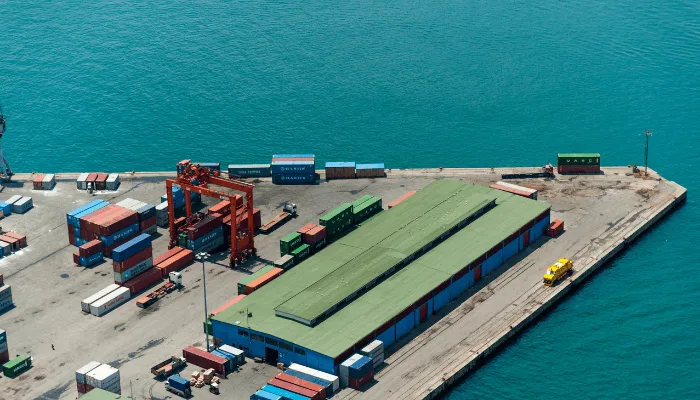
5. Impact on Logistics & Shipping Decisions
When ICIS or Platts signal rising markets:
Buyers accept higher freight rates
Exporters prioritize fast loading
Longer shipping routes remain economically viable
Container and vessel demand increases
But when indexes weaken:
Meaning:
Price indexes influence not just product value — but how cargo physically moves across the world.
6. Why Producers Depend on These Indexes
Manufacturers use ICIS and Platts to:
Without reliable benchmarks, producers would be making decisions blindfolded.