
How Currency Fluctuations Impact Petrochemical Export Pricing
Introduction
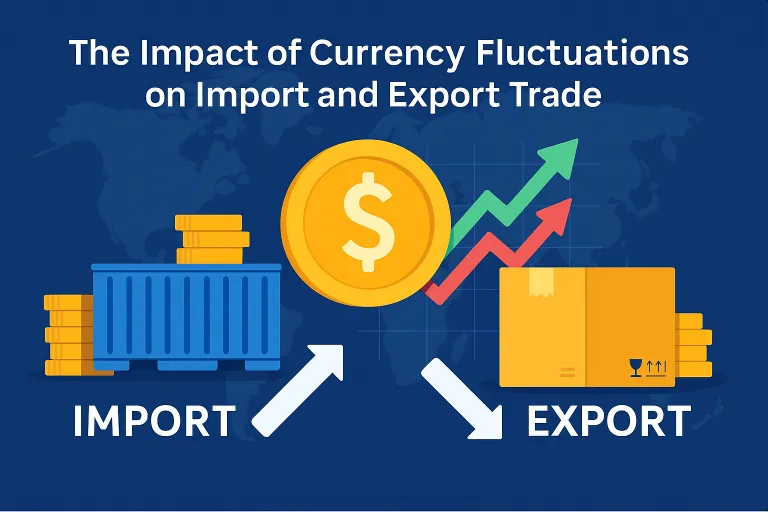
In global petrochemical trade, currency fluctuations are one of the most underestimated yet powerful factors shaping export competitiveness. Since petrochemical exports are typically priced in U.S. dollars, exporters from regions like the Middle East, Asia, and CIS face constant challenges when their local currencies appreciate or depreciate. A sudden swing in the exchange rate can transform profit margins, disrupt long-term contracts, and even reshape trade flows.
For exporters of products such as polyethylene (PE100B), monoethylene glycol (MEG), and base oils, understanding how exchange rates influence pricing is critical. This article explains the impact of currency volatility, provides real-world examples, and outlines strategies exporters use to mitigate risks.
Why Exchange Rates Matter in Petrochemical Pricing
Dollar-Denominated Trade
Most petrochemicals are quoted in USD, meaning buyers in India, Turkey, or Africa must pay in dollars, regardless of their domestic currency conditions.
Local Currency Weakness
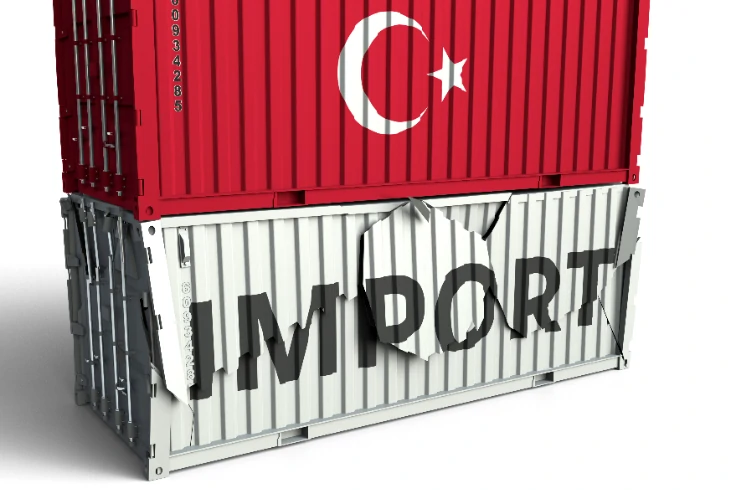
If a buyer’s local currency weakens against the dollar (e.g., Indian Rupee or Turkish Lira), the landed cost of imports rises, even if global petrochemical prices remain stable.
Exporter Margins
For exporters, a stronger local currency (e.g., Iranian Rial strengthening vs. USD) can reduce competitiveness since production costs increase in dollar terms.
Volatility and Risk
Contracts signed in stable times may quickly become unprofitable if exchange rates shift sharply.
Table 1: Examples of Currency Impact on Petrochemical Pricing
| Country | Local Currency | Effect of Depreciation vs USD | Impact on Petrochemical Imports |
|---|---|---|---|
| India | INR | Weaker Rupee increases cost of imports | Buyers reduce demand or seek cheaper suppliers |
| Turkey | TRY | Lira depreciation inflates landed costs | Importers delay purchases or request discounts |
| Nigeria | NGN | Frequent FX shortages & depreciation | Increased reliance on barter or alternative financing |
| Iran | IRR | Rial fluctuations complicate export contracts | Exporters struggle with payment channels |
Key Scenarios in Global Markets
Middle East Exporters:
Producers in Iran, Saudi Arabia, and UAE often enjoy cost advantages due to cheaper feedstock. However, if their currencies strengthen, their exports may lose competitiveness against Asian rivals.Asian Buyers:
Import-heavy countries like India and Pakistan face severe challenges when their currencies weaken, pushing up domestic prices for petrochemicals. This often forces governments to adjust tariffs or subsidize critical imports.Africa:
Many African importers (Nigeria, Kenya, South Africa) experience high volatility, creating uncertainty in long-term supply contracts.
Table 2: Impact of Currency Fluctuations on Export Competitiveness
| Exchange Rate Trend | Impact on Exporter | Impact on Importer | Overall Trade Effect |
|---|---|---|---|
| USD strengthens | Exporters in USD-linked economies gain | Importers pay more | Reduced demand, slower trade |
| Local currency weakens | Exporters lose margin (higher costs) | Importers may gain cheaper imports | Mixed impact depending on hedging |
| Currency volatile | Export contracts become riskier | Importers face unpredictable pricing | Higher use of hedging tools |
Strategies Exporters Use to Manage Currency Risks
Currency Hedging
Using financial instruments like forward contracts and swaps to lock in rates.
Diversified Invoicing
Some exporters now accept Euro, Chinese Yuan, or local currencies to reduce USD dependence.
Flexible Contracts
Shorter-term contracts with price adjustment clauses are becoming common.
Regional Trade Hubs
Exporters use free trade zones in UAE or Singapore to settle payments in multiple currencies.
Future Outlook
As global markets become more interconnected and volatile, currency swings will play an even greater role in petrochemical trade. Exporters who integrate currency risk management into their pricing strategy will be more competitive. Meanwhile, buyers in emerging economies must prepare for higher cost volatility unless their governments stabilize FX markets.
Exporters need hedging and flexible contracts to protect margins.
USD dominance makes petrochemical trade highly sensitive to exchange rates.
Local currency depreciation often reduces import demand in emerging markets.
Future trade flows will increasingly depend on FX stability as much as feedstock costs.
Would you be looking for suppliers in Iran?
- Contact Us today and get connected with producers and export-ready logistics.
- sales@PetroExportHub.com
Related posts
Mono Ethylene Glycol (MEG) serves as a cornerstone for modern antifreeze and coolant formulations, offering reliable freezing protection and heat resi . . .
Explore Solvent 100’s specs, uses, and export opportunities from Iran. Ideal for paint, ink, and adhesive buyers in India, Turkey, UAE, and Africa. . . .
Explore everything you need to know about exporting sulphur from Iran in 2024 — including types, packaging, documents, ports, prices, and top import . . .
Explore Iran’s top ports for petrochemical exports, including Bandar Imam Khomeini, Assaluyeh, and Bandar Abbas. Compare infrastructure, accessibili . . .
Learn the key differences between polypropylene (PP) and polyethylene (PE), their applications, advantages, and how to choose the right polymer for yo . . .
Discover how a Turkish plastics manufacturer reduced costs by 22% through importing HDPE from Iran. Real-world case study by PetroExportHub. . . .
Learn why Iran is a leading exporter of polyethylene (PE). Discover grades, global applications, and how PetroExportHub connects buyers with top suppl . . .
We are here to answer your questions....
Petro Export Hub
PetroExportHub specializes in the export of premium-grade petrochemicals, minerals, and industrial chemicals from Iran, serving international markets with reliability, transparency, and tailored logistics solutions
Tehran Office
Phone:
0214865484 | +989127607241
Address:
Tehran..
China Office
TEL :
0211400
Address:
Zhongzhou Bie Lu, Zhongcheng Street, Yiwu City, Zhejiang Province, China
Quick Access
Quick Access
- Contact Our Sales Team
- Frequently Questions
- Shipping & Logistics
- Become a Partner
- Certificatins & Quality