Strategic Stockpiling: How Big Buyers Manage Petrochemical Price Volatility
1. Why Price Volatility Is a Constant in Petrochemical Markets
Petrochemical prices fluctuate more frequently than many other commodities. This volatility is driven by:
Crude oil and gas price movements
Feedstock availability (naphtha, ethane, propane)
Refinery maintenance cycles
Sudden demand shifts in Asia and Africa
Freight rate changes and port congestion
Geopolitical and regulatory disruptions
Even a minor disruption — such as an unplanned shutdown or shipping delay — can quickly push prices upward. For large buyers consuming thousands of tons monthly, such volatility directly impacts production costs and profitability.
This is where strategic stockpiling becomes essential.
2. What Strategic Stockpiling Really Means
Strategic stockpiling is not random accumulation of inventory. It is a data-driven purchasing strategy designed to:
Buy during market lows
Secure supply during tight periods
Protect production schedules
Reduce exposure to sudden price jumps
Large buyers align stockpiling decisions with price indexes (ICIS, Platts), seasonal demand patterns, and expected supply constraints.
The goal is stability — not speculation.
3. How Major Buyers Decide When to Build Inventory
Big buyers rely on multiple signals before increasing stock levels:
1. Price Index Trends
When ICIS or Platts shows consistent upward momentum, buyers accelerate purchases to lock in lower prices.
2. Feedstock Signals
Rising crude oil or naphtha prices often trigger pre-emptive stockpiling of polymers and intermediates.
3. Maintenance and Shutdown Schedules
Planned shutdowns in major producing regions alert buyers to potential short-term shortages.
4. Freight Market Indicators
When shipping costs begin rising, buyers often secure material early to avoid higher landed costs.
Table 1 — Triggers That Lead Buyers to Strategic Stockpiling
| Trigger | Market Signal | Buyer Response |
|---|
| Rising ICIS/Platts trend | Bullish pricing outlook | Accelerate purchases |
| Crude oil price increase | Higher feedstock costs ahead | Build inventory |
| Planned refinery shutdowns | Reduced supply expected | Secure volumes early |
| Freight rate escalation | Higher landed cost risk | Advance shipments |
4. Storage Infrastructure: The Hidden Advantage
Strategic stockpiling only works when buyers have access to storage.
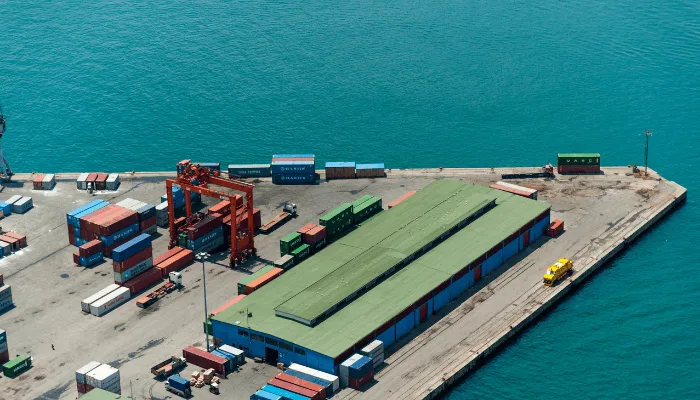
Large consumers often invest in:
This infrastructure allows buyers to hold material during low-price periods and release it gradually into production.
Smaller buyers without storage capacity are often forced to buy spot cargoes at peak prices.
Storage equals pricing power.
5. Regional Approaches to Stockpiling
Asia
Buyers in China, India, and South Korea aggressively stockpile during low-demand seasons or ahead of major holidays and maintenance periods.
Middle East
Manufacturers stockpile intermediates to ensure downstream stability, especially during summer maintenance cycles.
Europe
Stockpiling is more conservative due to high storage costs and regulatory limits, but critical products are still secured ahead of winter.
Africa
Import-dependent markets stockpile selectively to protect against shipping delays and currency volatility.
Table 2 — Stockpiling Strategies by Region
| Region | Stockpiling Focus | Key Motivation |
|---|
| Asia | Polymers, MEG, PP | Price volatility & demand surges |
| Middle East | Feedstocks, intermediates | Operational continuity |
| Europe | Specialty chemicals | Supply security |
| Africa | Imported polymers & solvents | Logistics risk management |
6. How Stockpiling Impacts Exporters and Traders
When major buyers increase inventories:
Spot market demand temporarily drops
Exporters face slower order flow
Price momentum may weaken short-term
However, once stock levels normalize, demand returns sharply — often at higher prices.
Exporters who understand these cycles can:
Time offers more effectively
Adjust production planning
Avoid unnecessary price concessions
7. Risks of Over-Stockpiling
While strategic stockpiling is effective, excessive inventory creates risks:
Successful buyers balance inventory levels with real demand, not speculation.