
English

We are here to answer your questions....

989127607241

021
921346
پاسخگوی پرسش‌های شما هستیم...
0
No products in the cart!

Cart Total: $0

021
921346
پاسخگوی پرسش‌های شما هستیم...

CBAM and Its Impact on Petrochemical Exports to Europe

2025-11-14
202View
PetroExportHub Admin
CBAM petrochemical exports

CBAM and Its Impact on Petrochemical Exports to Europe


Introduction

The Carbon Border Adjustment Mechanism (CBAM), introduced by the European Union (EU), is reshaping global trade dynamics. While initially targeted at carbon-intensive industries like steel, cement, and fertilizers, the implications for the petrochemical export sector are significant. For exporters in regions such as the Middle East and Asia, CBAM is more than just a compliance requirement—it’s a factor that directly impacts pricing, competitiveness, and market access in Europe.

This article explores how CBAM works, why it matters for petrochemical exporters, and strategies to adapt for long-term success.


What is CBAM?

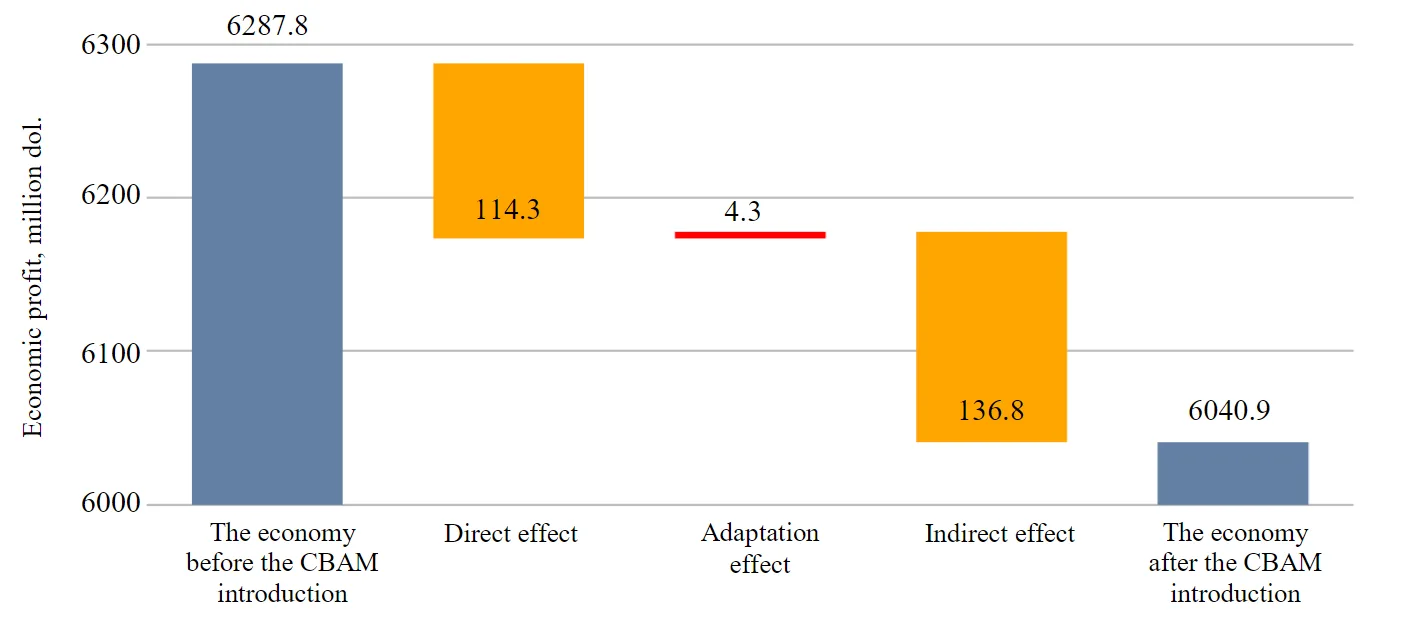
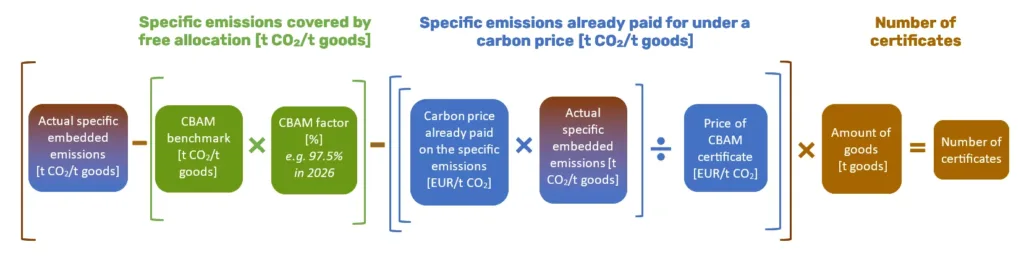
CBAM is essentially a carbon tax at the border. Importers of carbon-intensive products into the EU must purchase certificates reflecting the carbon emissions embedded in those products. The mechanism aims to:

  • Prevent carbon leakage (moving industries outside the EU to avoid carbon costs).

  • Ensure fair competition for EU manufacturers.

  • Encourage exporters worldwide to reduce their carbon footprint.


Why Petrochemical Exports Are Affected

Petrochemicals, by nature, are energy-intensive products. From ethylene and propylene production to derivatives like PE, PP, and MEG, the carbon footprint is high due to:

  1. Heavy reliance on natural gas and crude oil feedstocks.

  2. Energy-intensive cracking processes.

  3. Limited use of renewable energy in production.

As a result, exporters from Iran, the Middle East, and Asia are likely to face higher costs when targeting the EU market.


Table 1: Potential Petrochemical Products Under CBAM Risk

Petrochemical ProductCarbon Intensity LevelEU Import DependencyCBAM Impact Level
Polyethylene (PE)HighStrongHigh
Polypropylene (PP)MediumModerateMedium
Monoethylene GlycolHighStrongHigh
MethanolHighModerateHigh
PVCMediumModerateMedium

Challenges for Exporters

  1. Increased Export Costs

    • CBAM certificates add an extra layer of expense to exporters.

  2. Competitiveness Pressure

    • EU buyers may shift to local or lower-carbon suppliers.

  3. Compliance Complexity

    • Exporters must calculate and verify the carbon intensity of each shipment.

  4. Risk of Market Diversion

    • If Europe becomes too expensive, exporters may need to redirect volumes to Asia or Africa.


Strategies to Overcome CBAM Risks

  1. Carbon Footprint Transparency

    • Invest in carbon accounting tools to measure emissions across the supply chain.

  2. Energy Efficiency Investments

    • Upgrade plants with cleaner technologies and adopt renewable energy sources.

  3. Partnerships with EU Buyers

    • Collaborate with European companies that prioritize low-carbon imports.

  4. Diversification of Markets

    • Expand exports to Asia, CIS, and Africa, where CBAM does not apply.


Table 2: Comparison of CBAM vs Non-CBAM Markets for Petrochemicals

Market RegionCarbon Tax AppliedImport Demand GrowthExport Opportunity
European UnionYes (CBAM enforced)Moderate (2–3%)Challenging, cost-sensitive
Asia (China, India)NoHigh (5–7%)Strong, growing demand
CIS & TurkeyNoModerate (3–4%)Steady, competitive
AfricaNoHigh (6–8%)Emerging market potential

Future Outlook

As CBAM fully rolls out by 2026, petrochemical exporters must adapt or risk losing access to one of the most lucrative markets in the world. The future belongs to exporters who embrace decarbonization, develop low-carbon petrochemical products, and diversify beyond Europe.

The EU’s CBAM is a game-changer for petrochemical exports, adding costs for carbon-intensive products like PE, PP, and MEG. Exporters in the Middle East and Asia will face pricing pressure, compliance challenges, and potential loss of competitiveness. However, those who invest in low-carbon production, carbon accounting, and market diversification can maintain their foothold. With global demand shifting toward Asia and Africa, exporters have both risks and opportunities ahead.
EU carbon border tax

CBAM adds extra costs to carbon-intensive petrochemicals exported to Europ

Exporters can adapt by lowering emissions and diversifying markets.

PE, MEG, and methanol are among the most exposed products.

Asia and Africa offer strong alternatives to the EU market.

Would you be looking for suppliers in Iran?

YourComment

Your email address will not be published.

*

Related posts


Mono Ethylene Glycol (MEG) serves as a cornerstone for modern antifreeze and coolant formulations, offering reliable freezing protection and heat resi . . .

2 minute
Read more

Explore Solvent 100’s specs, uses, and export opportunities from Iran. Ideal for paint, ink, and adhesive buyers in India, Turkey, UAE, and Africa. . . .

3 minute
Read more
Explore everything you need to know about exporting sulphur from Iran in 2024 — including types, packaging, documents, ports, prices, and top import . . .

2 minute
Read more
Explore Iran’s top ports for petrochemical exports, including Bandar Imam Khomeini, Assaluyeh, and Bandar Abbas. Compare infrastructure, accessibili . . .

2 minute
Read more

Learn the key differences between polypropylene (PP) and polyethylene (PE), their applications, advantages, and how to choose the right polymer for yo . . .

2 minute
Read more
Discover how a Turkish plastics manufacturer reduced costs by 22% through importing HDPE from Iran. Real-world case study by PetroExportHub. . . .

2 minute
Read more

Learn why Iran is a leading exporter of polyethylene (PE). Discover grades, global applications, and how PetroExportHub connects buyers with top suppl . . .

1 minute
Read more