Archive Articles
- Ask an Expert
- Export Guides
- Market Trends
- Product Comparison
- Shipping & Packaging
- Trade Compliance
- Uncategorized

The monoethylene glycol market in 2025 will be shaped by crude oil trends, logistics costs, and regional demand patterns. Asia-Pacific demand will remain the strongest, while the Middle East continues to offer cost advantage . . .
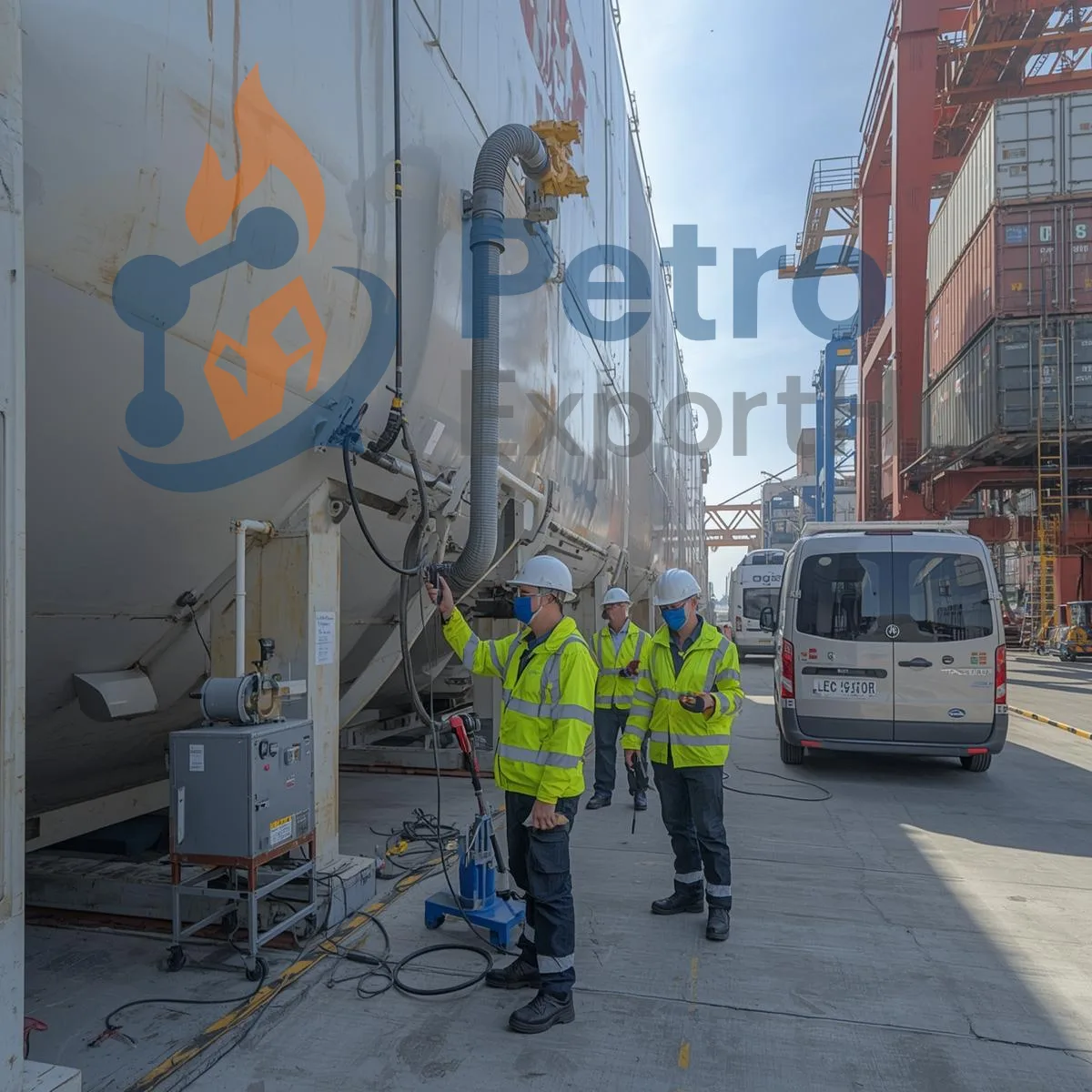
The monoethylene glycol market in 2025 will be shaped by crude oil trends, logistics costs, and regional demand patterns. Asia-Pacific demand will remain the strongest, while the Middle East continues to offer cost advantage . . .
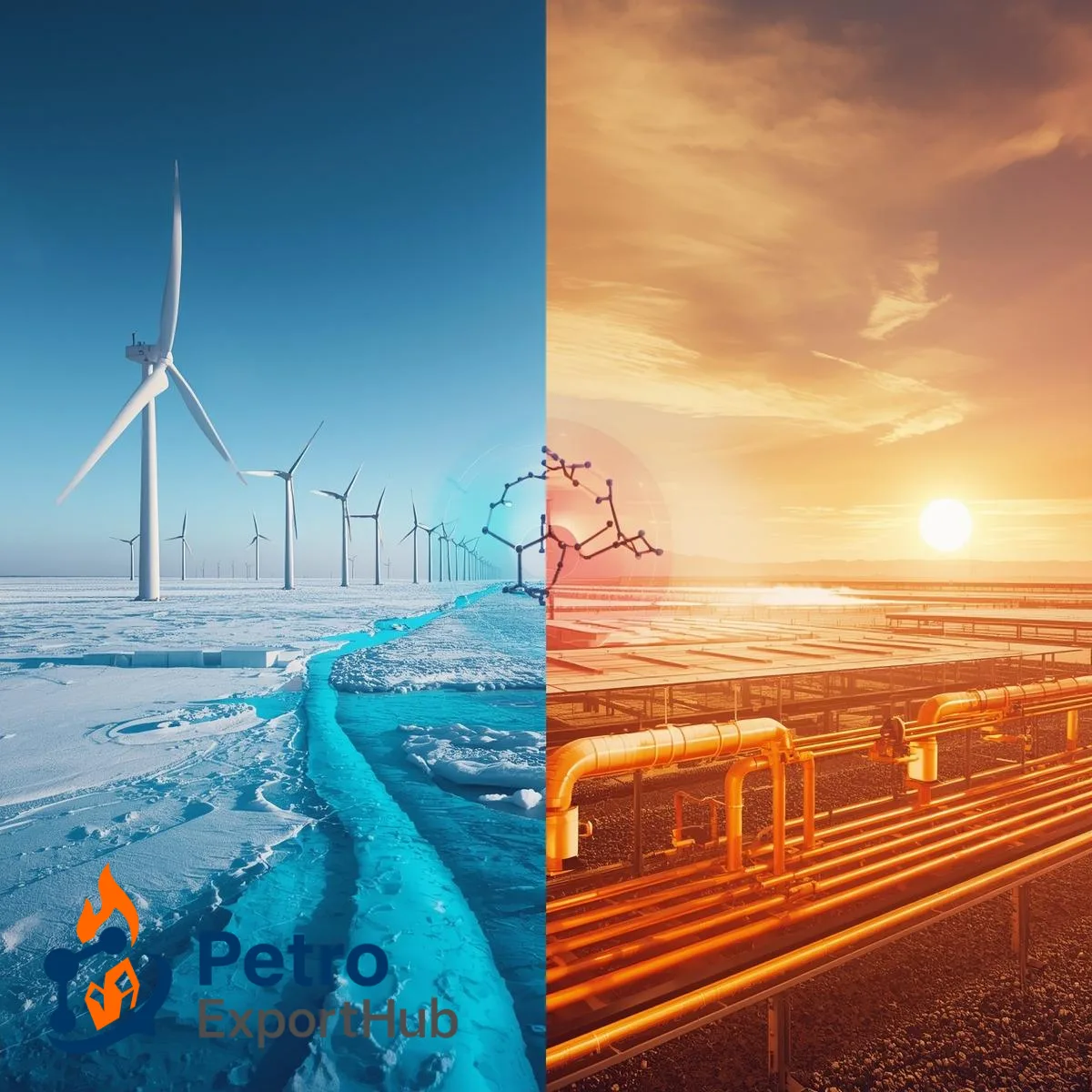
Mono Ethylene Glycol (MEG) is no longer limited to textiles and antifreeze; it is becoming an essential material in solar and wind energy applications. From heat transfer fluids in solar panels to protective coatings in wind . . .

Mono Ethylene Glycol (MEG) and Propylene Glycol (PG) share similarities but serve very different markets. MEG is cheaper, widely available, and essential in polyester and antifreeze, while PG is safer and preferred in food a . . .
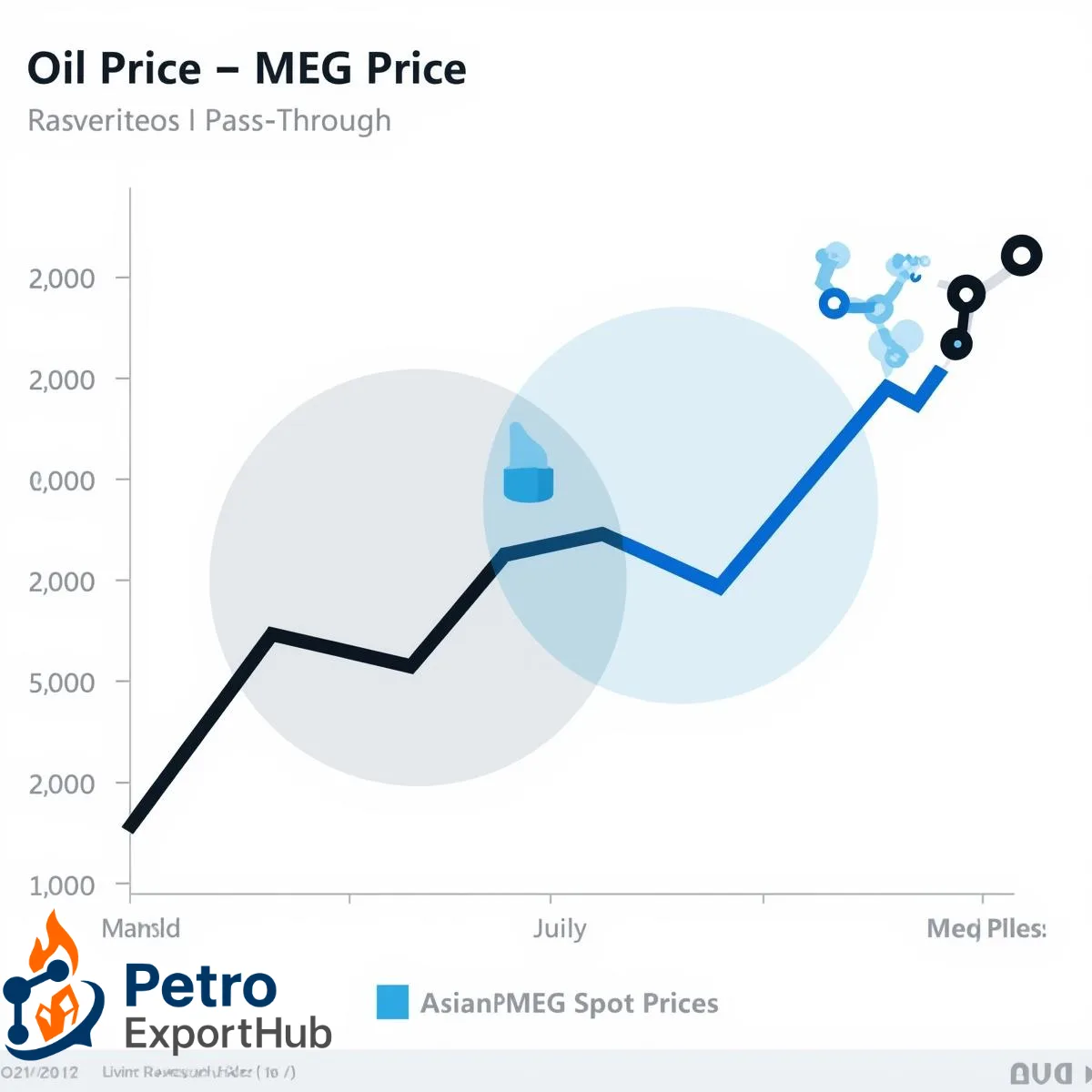
Crude oil prices play a decisive role in shaping the global MEG market. From feedstock costs to refinery economics, every fluctuation affects the final monoethylene glycol price. Asian buyers, in particular, feel the stronge . . .
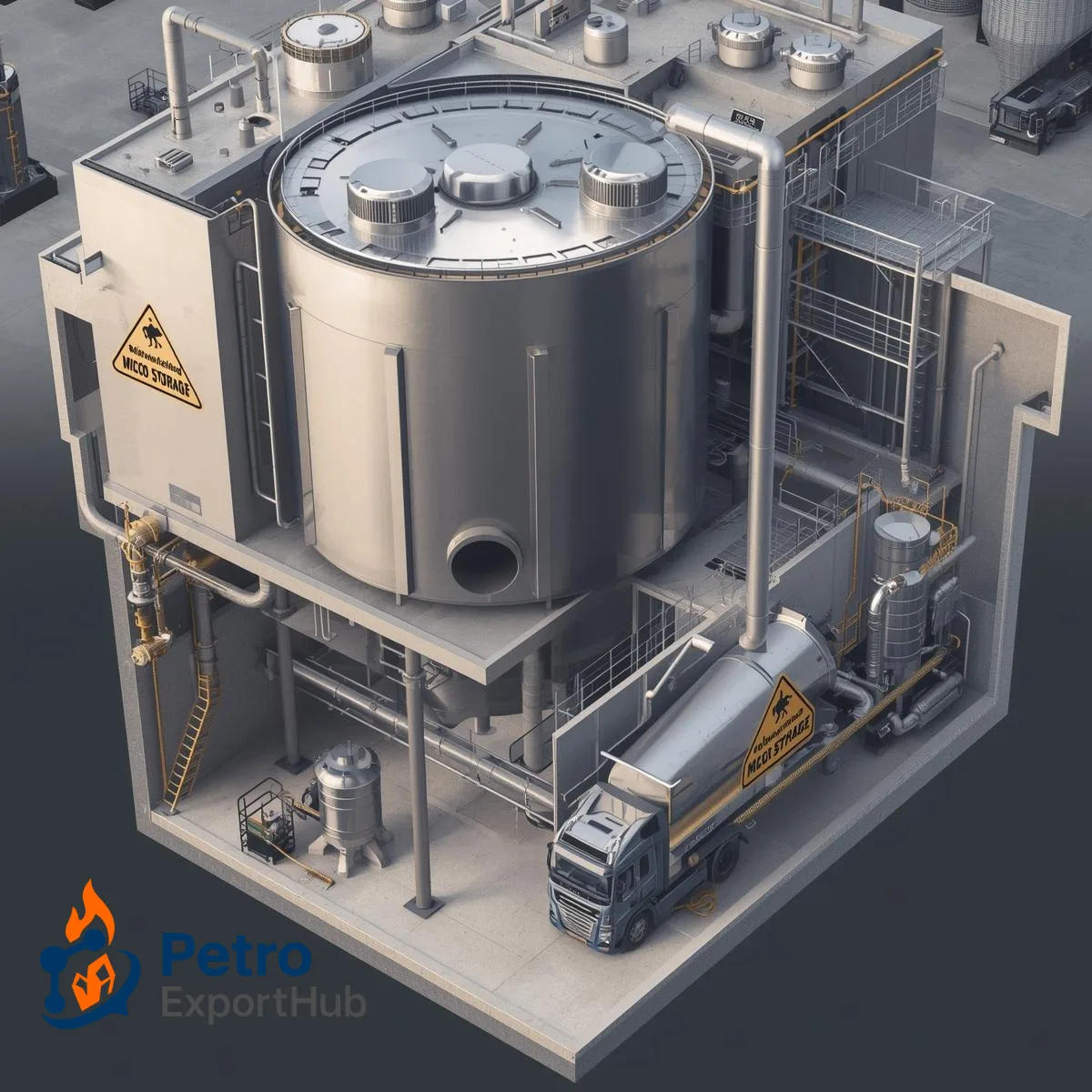
Safe storage and handling of Mono Ethylene Glycol (MEG) are critical for buyers across industries. From temperature control to moisture protection, proper practices ensure product purity and cost efficiency. Even with a comp . . .
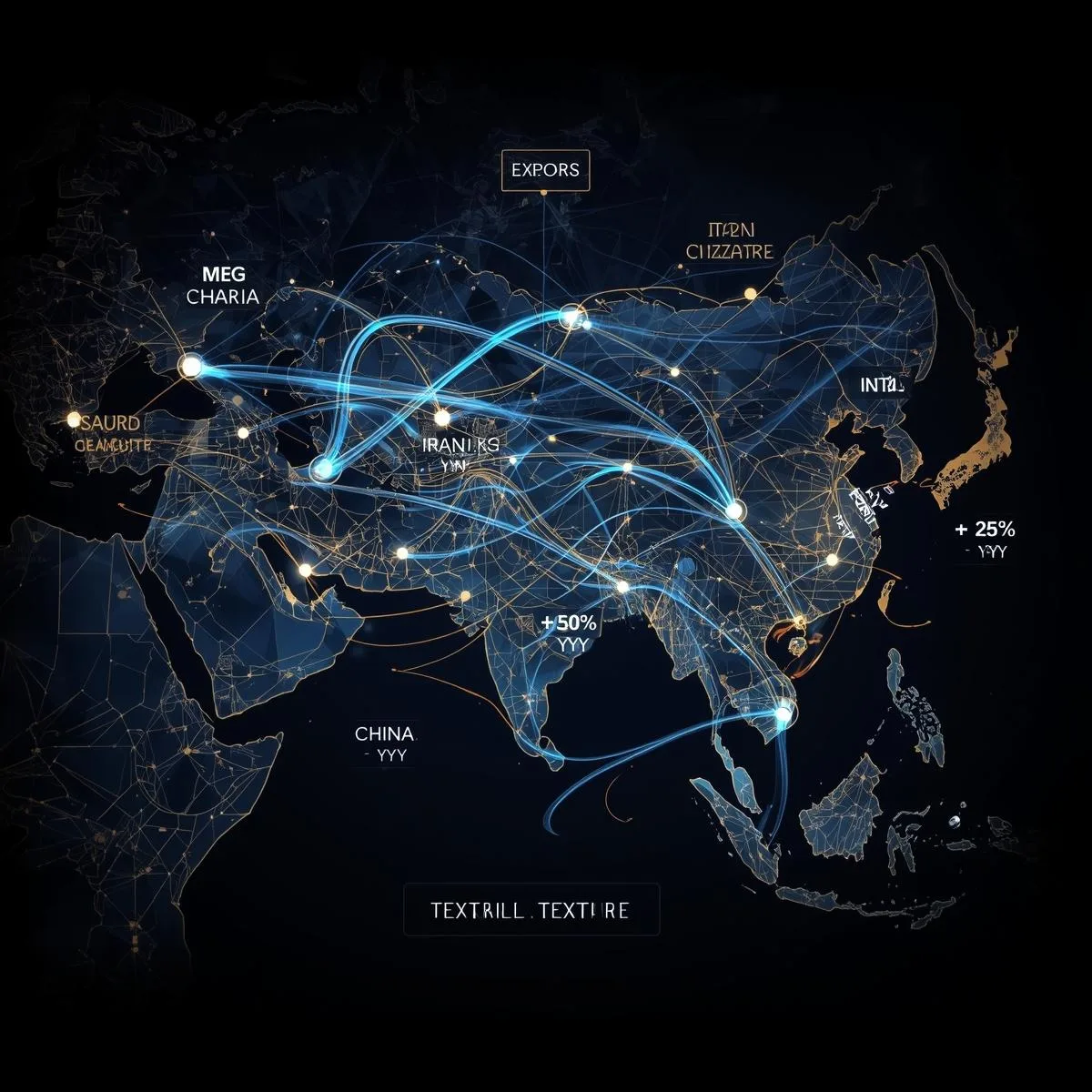
The Middle East is reshaping Asian textile markets through its rapidly growing monoethylene glycol (MEG) exports. By delivering cost-effective solutions, dependable supply chains, and reliable logistics, it’s providing cou . . .

Monoethylene Glycol (MEG) and Diethylene Glycol (DEG) may share a chemical family, but their roles in industry are very different. MEG dominates polyester and packaging, making the monoethylene glycol price highly market-sen . . .