Archive Articles
- Ask an Expert
- Export Guides
- Market Trends
- Product Comparison
- Shipping & Packaging
- Trade Compliance
- Uncategorized
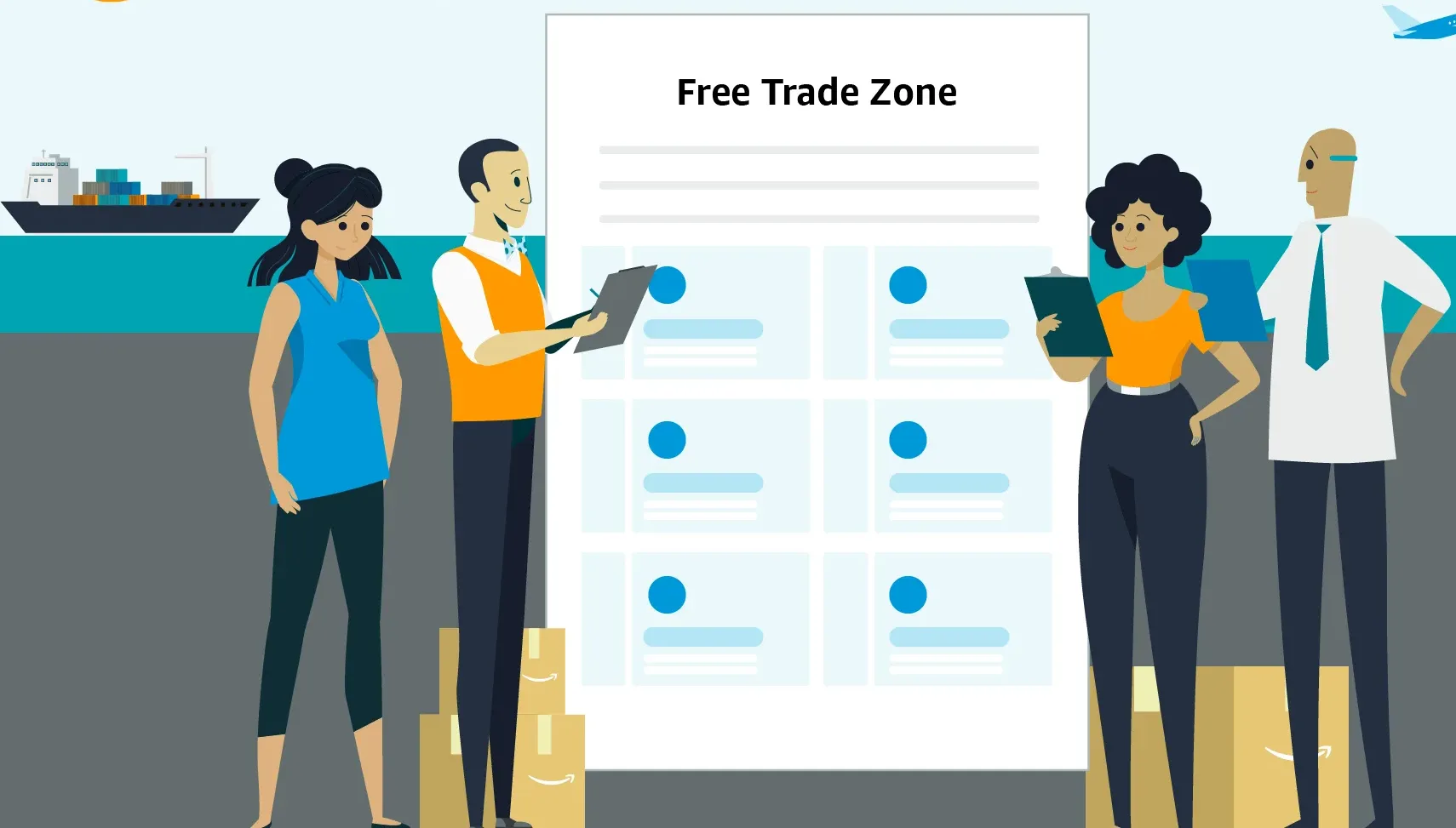
Free Trade Zones (FTZs) are becoming vital for petrochemical exporters, offering reduced costs, faster logistics, and broader market access. They provide exporters of PE100B, SN150, and MEG with competitive advantages in pri . . .

Letters of Credit (LCs) are essential for securing payment in petrochemical exports. They reduce risks for exporters and buyers while ensuring smooth trade finance operations. Different types of LCs fit different trade scena . . .
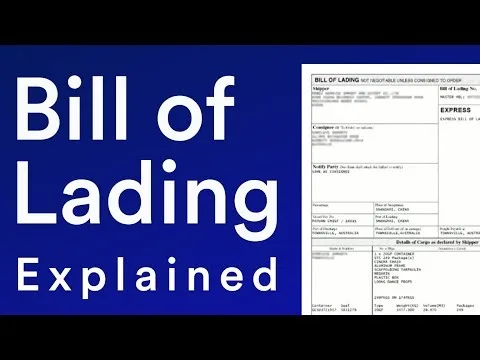
The Bill of Lading is the backbone of international petrochemical trade. It acts as a receipt, contract, and title document, ensuring smooth delivery and payment. Choosing the right type of B/L is critical for exports of PE1 . . .
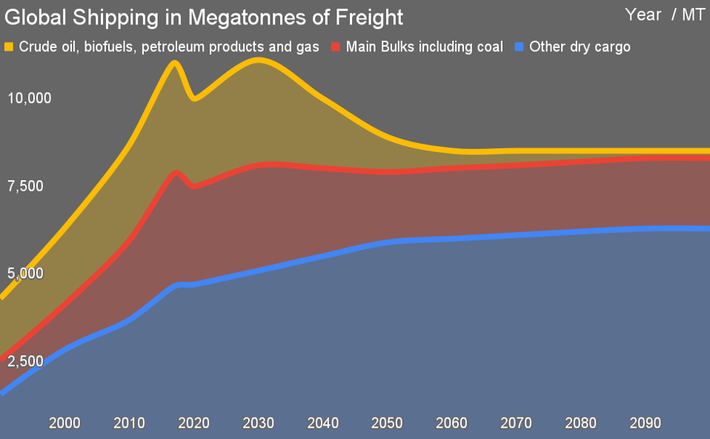
Freight costs are among the most critical factors shaping the competitiveness of petrochemical exports worldwide. From Iran to Asia, Europe, and Africa, fluctuations in shipping charges directly influence petrochemical price . . .
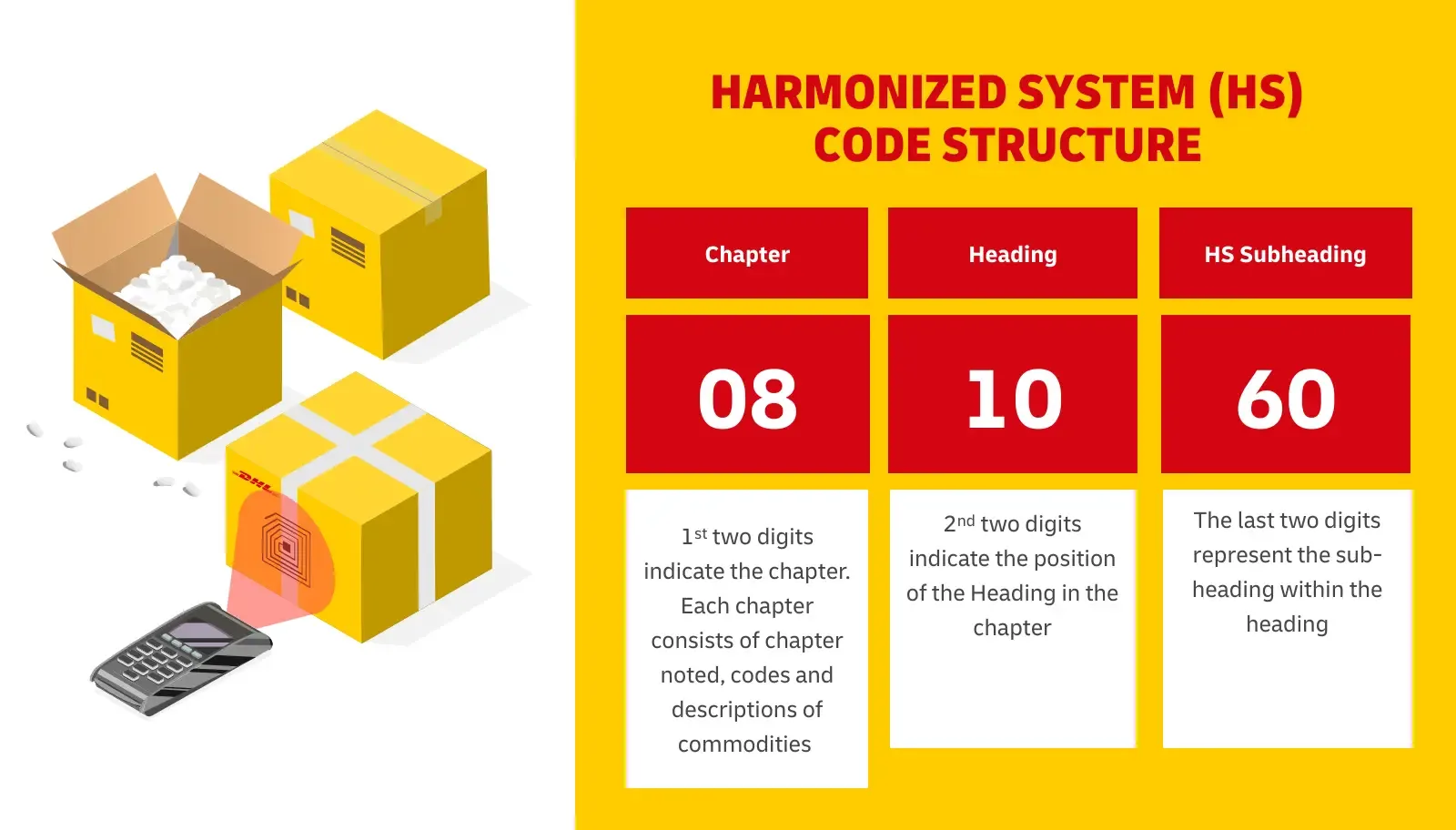
HS codes are the backbone of customs classification in chemical and petrochemical exports. They determine tariffs, compliance, and clearance efficiency. Exporters of MEG, PE100B, and base oil SN150 must ensure precise classi . . .
Incoterms 2025 set the global standard for responsibilities in international trade. For petrochemical exporters of PE100B, SN150 base oil, and MEG, using the right Incoterm prevents costly disputes. FOB, CFR, CIF, and DAP re . . .
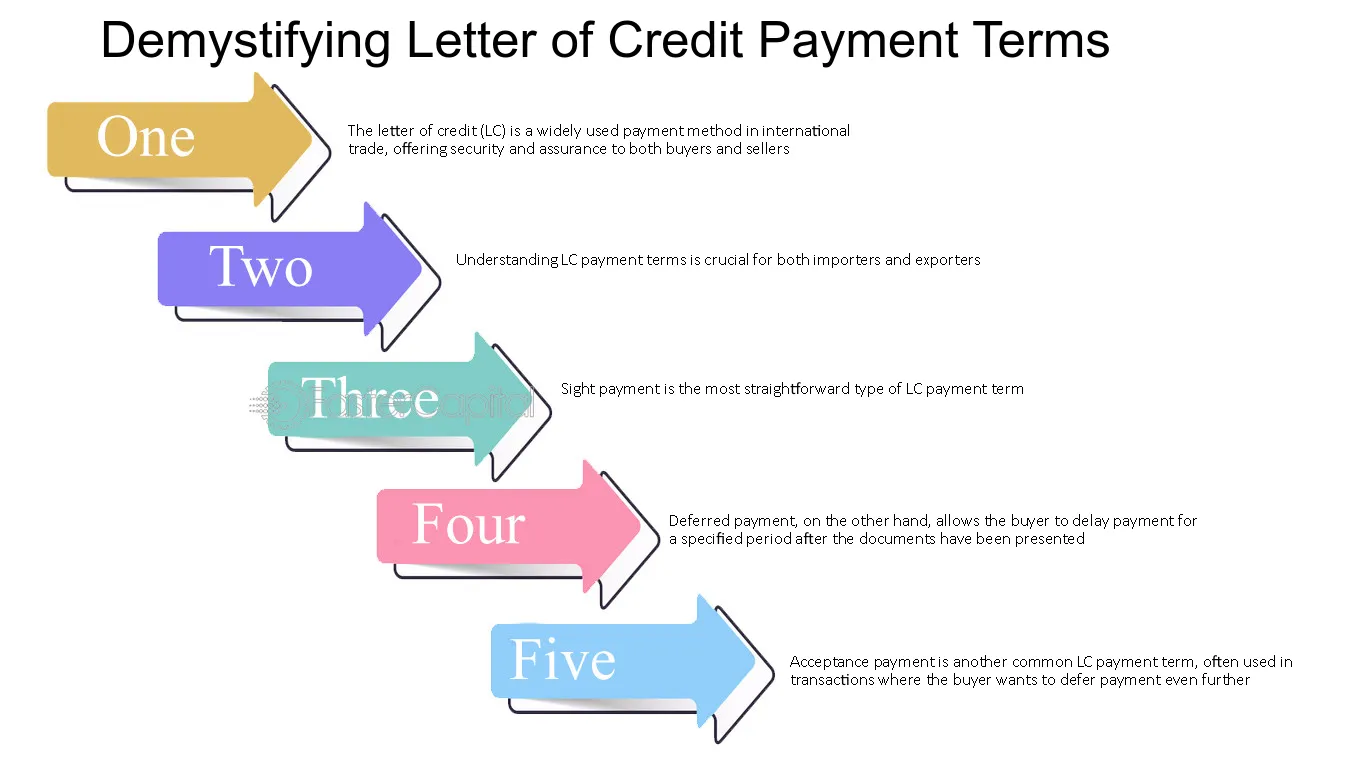
Letters of Credit are essential tools for managing financial risk in petrochemical exports. They guarantee secure payments for exporters of PE100B, SN150 base oil, and monoethylene glycol. Different types of LCs exist, inclu . . .

Middle Eastern petrochemical exports rely heavily on shipping routes to Asia, Europe, Africa, and CIS regions. Asia remains the top buyer of PE100B and monoethylene glycol, while Europe demands solvents and base oils. Africa . . .