Blockchain in Petrochemical Trade: Securing Contracts and Compliance
Introduction
The petrochemical industry is one of the most complex global markets, where multi-billion-dollar contracts depend on trust, transparency, and compliance. Exporters often face challenges such as delayed payments, contract disputes, and regulatory checks across borders. Traditional paperwork-based systems are slow and vulnerable to fraud.
This is where blockchain in petrochemical trade offers a breakthrough. By providing transparent, immutable, and real-time records, blockchain ensures that contracts, payments, and compliance checks are more secure and efficient. For exporters in the Middle East, South Asia, Africa, and beyond, adopting blockchain means reduced risk, faster trade execution, and better relationships with international buyers.
Why Blockchain Matters for Petrochemical Exports
Blockchain is more than a digital ledger—it is a trust technology. Every transaction is verified, encrypted, and permanently stored across a decentralized network. This gives exporters four major advantages:
Smart Contracts – Automatically execute payments once delivery milestones are met.
Transparency – Buyers and regulators can track shipments and payments in real time.
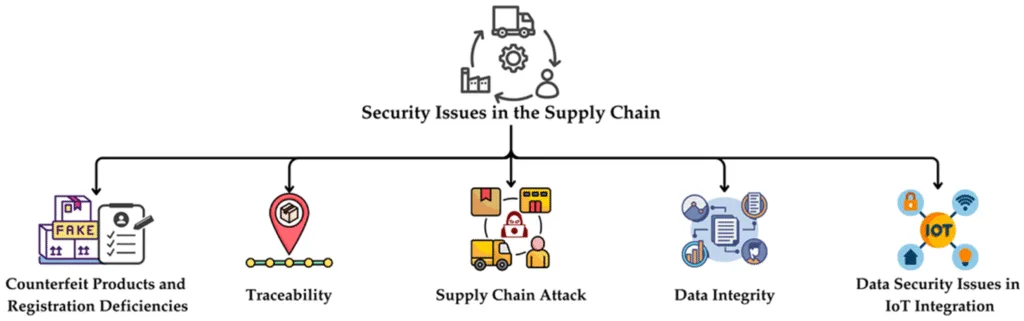
Fraud Prevention – Eliminates manipulation of invoices, bills of lading, or letters of credit.
Compliance Efficiency – Ensures adherence to sanctions, tariffs, and environmental rules (such as EU CBAM).
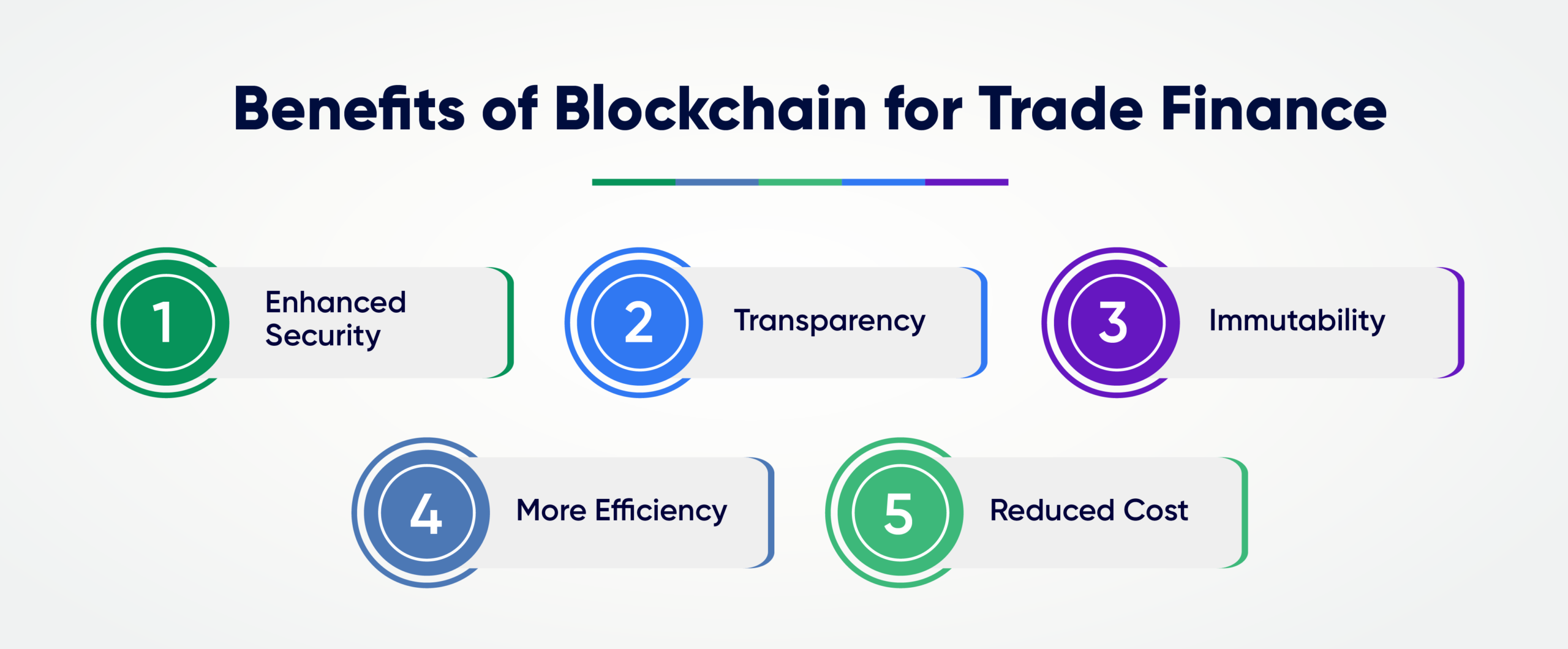
Benefits of Blockchain in Petrochemical Trade
1. Secure Transactions
Traditional payment systems expose exporters to the risk of defaults and delays. With blockchain-based smart contracts, payments are released automatically when conditions are fulfilled.
2. Faster Customs Clearance
Blockchain integrates with customs and port authorities, reducing paperwork and speeding up clearance times.
3. Regulatory Compliance
Exporters can record emissions data, sustainability certificates, and trade documents directly on-chain, making compliance auditable and tamper-proof.
4. Improved Buyer Confidence
When buyers know that records cannot be manipulated, they are more willing to engage in long-term supply contracts.
Table 1: Traditional vs Blockchain-Based Petrochemical Trade
| Aspect | Traditional System | Blockchain System |
|---|
| Contracts | Paper-based, prone to disputes | Smart contracts, self-executing |
| Payment Processing | Slow, manual, high banking fees | Instant, automated, lower cost |
| Compliance Verification | Manual checks, delays, errors | Automated, tamper-proof, auditable |
| Data Security | Centralized, vulnerable to fraud | Decentralized, immutable |
| Transparency | Limited visibility for stakeholders | Full real-time visibility |
Case Example: Blockchain in LAB (Linear Alkyl Benzene) Exports
An Iranian exporter shipping 500 MT of LAB to Turkey often faces:
Banking delays due to sanctions,
Customs clearance slowdowns, and
Buyer concerns about compliance certificates.
By adopting a blockchain-based platform:
Payment is released instantly via a crypto-stablecoin smart contract after shipping confirmation.
Sustainability certificates (e.g., carbon footprint) are logged on-chain for EU buyers.
Customs clearance at the Turkish port is reduced by 2–3 days because documents are digitally verifiable.
The result: Faster cash flow, reduced administrative cost, and higher buyer trust.
Table 2: Blockchain Applications in Petrochemical Export
| Application Area | Use Case Example | Benefit to Exporter |
|---|
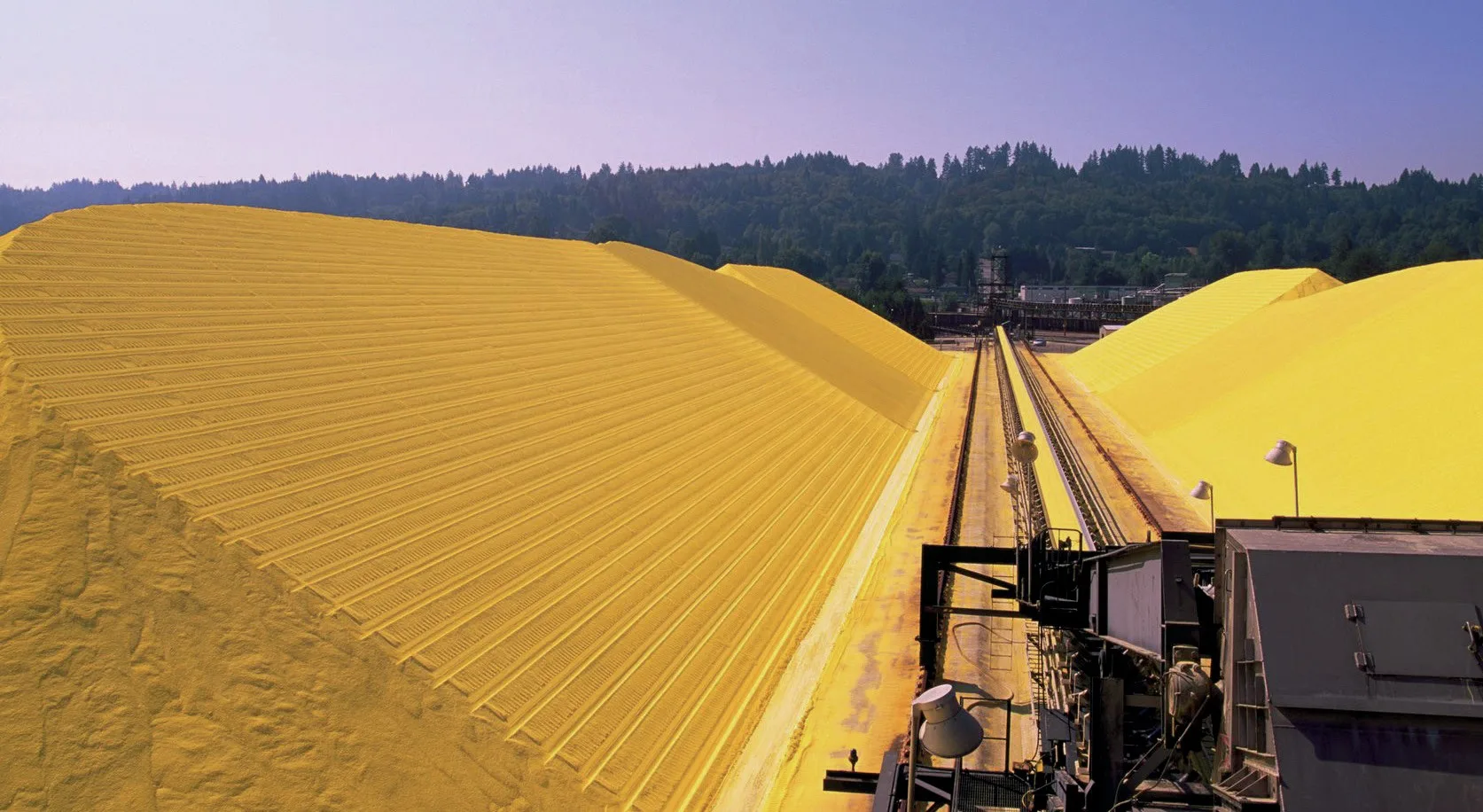
| Smart Contracts | Payment for 1000 MT Sulphur to India | Automated, risk-free settlement |
| Trade Finance | Blockchain letters of credit for glycols | Faster financing, lower fees |
| Sustainability Tracking | CO₂ data for EU’s Carbon Border Adjustment Mechanism | Compliance and buyer trust |
| Logistics Monitoring | Digital bill of lading for PE100B shipments | Real-time visibility, reduced fraud |
The Future of Blockchain in Petrochemical Trade (2025–2030)
The next five years will see blockchain integrated across supply chains, banking, and compliance systems:
Integration with AI: Forecast demand and automatically adjust smart contracts.
Carbon Tracking: Mandatory blockchain-based emission reports for petrochemicals in EU & GCC markets.
Global Adoption: More buyers will demand blockchain-verified contracts as part of due diligence.
By 2030, blockchain will be as essential as letters of credit once were for exporters.
Conclusion
For petrochemical exporters, blockchain is not just a new technology—it is a strategic advantage. By securing contracts, ensuring compliance, and automating transactions, blockchain reduces risks and builds stronger trust with international buyers. Exporters who adopt it early will gain a competitive edge in trade financing, logistics, and regulatory compliance.