AI-Powered Market Forecasting in Petrochemical Exports: How Data Predicts Prices and Demand
Introduction
In the global petrochemical industry, market forecasting has always been one of the most difficult challenges for exporters. Prices of raw materials like crude oil, fluctuations in freight costs, and geopolitical risks can change export margins overnight. Traditional forecasting methods, often based on historical data and manual analysis, are no longer sufficient.
Today, AI in petrochemical trade is transforming how exporters understand global demand and predict future trends. By analyzing massive datasets in real time—from oil prices to shipping routes—AI-driven models give exporters a competitive edge in planning supply, setting prices, and securing profitable contracts.
The Role of AI in Petrochemical Trade
Artificial intelligence is not just about automation; it is about predicting petrochemical prices and anticipating demand before markets react. Machine learning algorithms can:
Analyze Global Energy Prices: Correlating crude oil benchmarks with polymer feedstock costs.
Predict Demand Trends: Identifying shifts in Asia, Africa, and Europe using trade data.
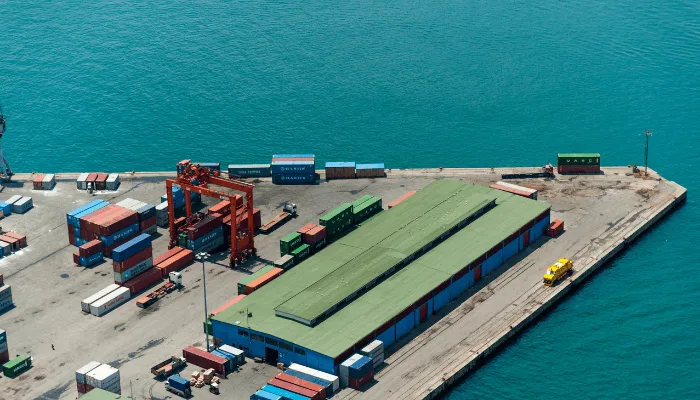
Monitor Shipping and Logistics: Factoring in freight costs, port congestion, and delays.
Integrate Geopolitical Data: Detecting how sanctions, tariffs, or conflicts impact exports.
For exporters of PE100B, base oils, or glycols, this means the ability to see future demand signals before competitors do.
Benefits of AI Forecasting for Exporters
Accurate Demand Planning
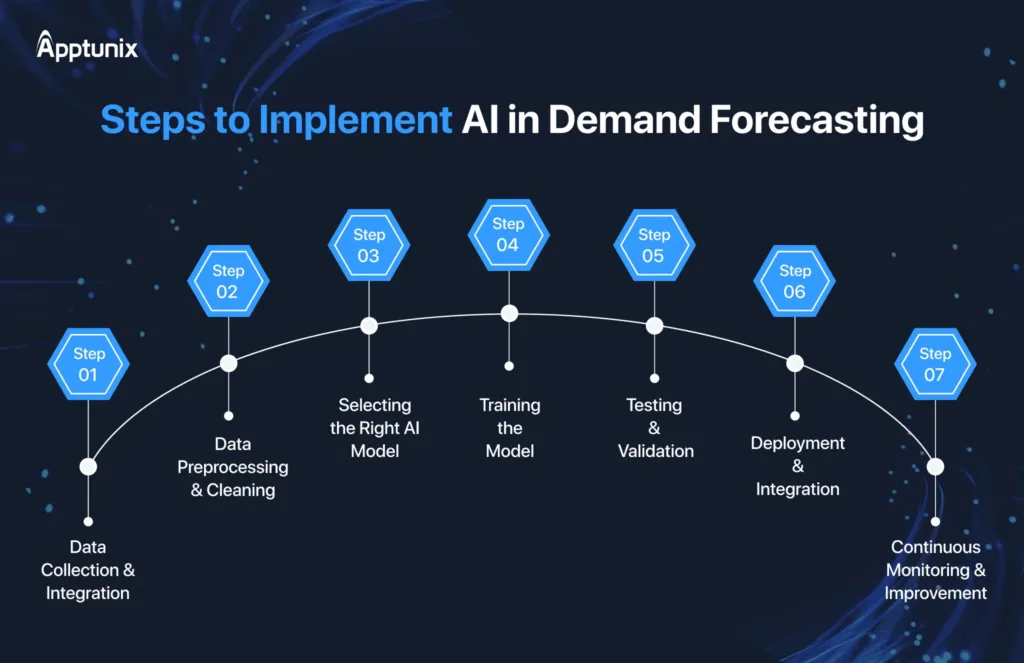
AI demand forecasting allows exporters to align production and inventory with expected orders, minimizing both shortages and overstock.
Smarter Pricing Strategies
Instead of reactive pricing, exporters can adjust offers in line with predicted crude oil trends and buyer demand cycles.
Risk Mitigation
Predictive analytics reduce exposure to sudden freight cost spikes or regional slowdowns.
Enhanced Negotiation Power
Exporters with strong data insights can negotiate better terms with buyers and freight forwarders.
Table 1: Key Data Sources Used in AI Forecasting
| Data Source | Relevance to Petrochemical Exports | Example Application |
|---|
| Crude Oil Benchmarks (Brent, WTI) | Primary driver of polymer feedstock costs | Predicting petrochemical price movements |
| Trade Flow Data (UN/ITC/Customs) | Tracks import/export volumes by region | Identifying growth markets in Asia & Africa |
| Freight & Logistics Data | Shipping costs, port delays, carrier rates | Adjusting export offers for freight surcharges |
| Geopolitical & Regulatory News | Sanctions, tariffs, CBAM, carbon taxes | Anticipating demand shifts in EU & China |
| Weather & Climate Data | Impacts on shipping and energy demand | Planning for seasonal demand changes |
Case Study: AI in Predicting PE100B Export Demand
Consider an Iranian exporter of PE100B resin supplying Turkey, India, and China. Using AI-driven forecasting tools, the company integrates:
Brent crude oil price movements,
regional infrastructure projects,
freight congestion in the Suez Canal,
and demand signals from pipe manufacturing sectors.
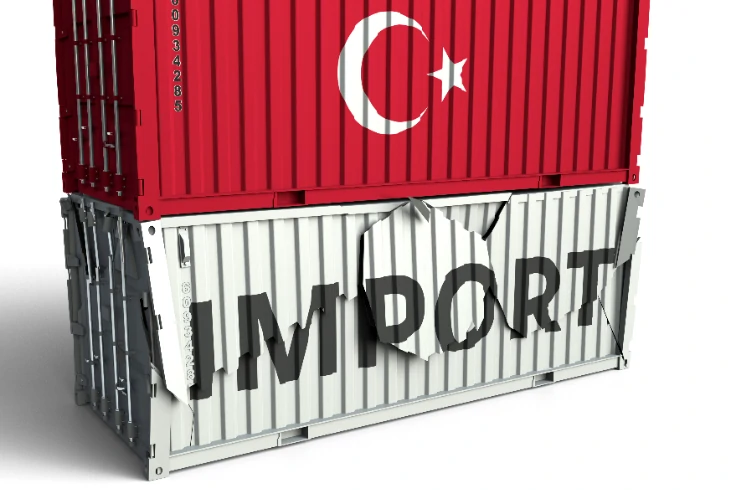
The AI system predicts that India’s demand will rise by 12% in Q2 2025, while Turkey may face a slowdown due to tighter regulations. This allows the exporter to divert more cargo to India, lock in long-term contracts, and avoid inventory risk in Turkey.
Table 2: AI vs Traditional Forecasting in Petrochemical Exports
| Aspect | Traditional Forecasting | AI-Powered Forecasting |
|---|
| Data Sources | Limited (historical, trade reports) | Real-time (oil, freight, geopolitical, climate) |
| Accuracy | Moderate, often lagging | High, predictive, proactive |
| Market Reaction Time | Reactive (after changes occur) | Proactive (anticipates shifts) |
| Exporter Advantage | Low, similar to competitors | High, creates competitive differentiation |
| Scalability | Manual, time-intensive | Automated, scalable across markets |
Future Outlook (2025–2030)
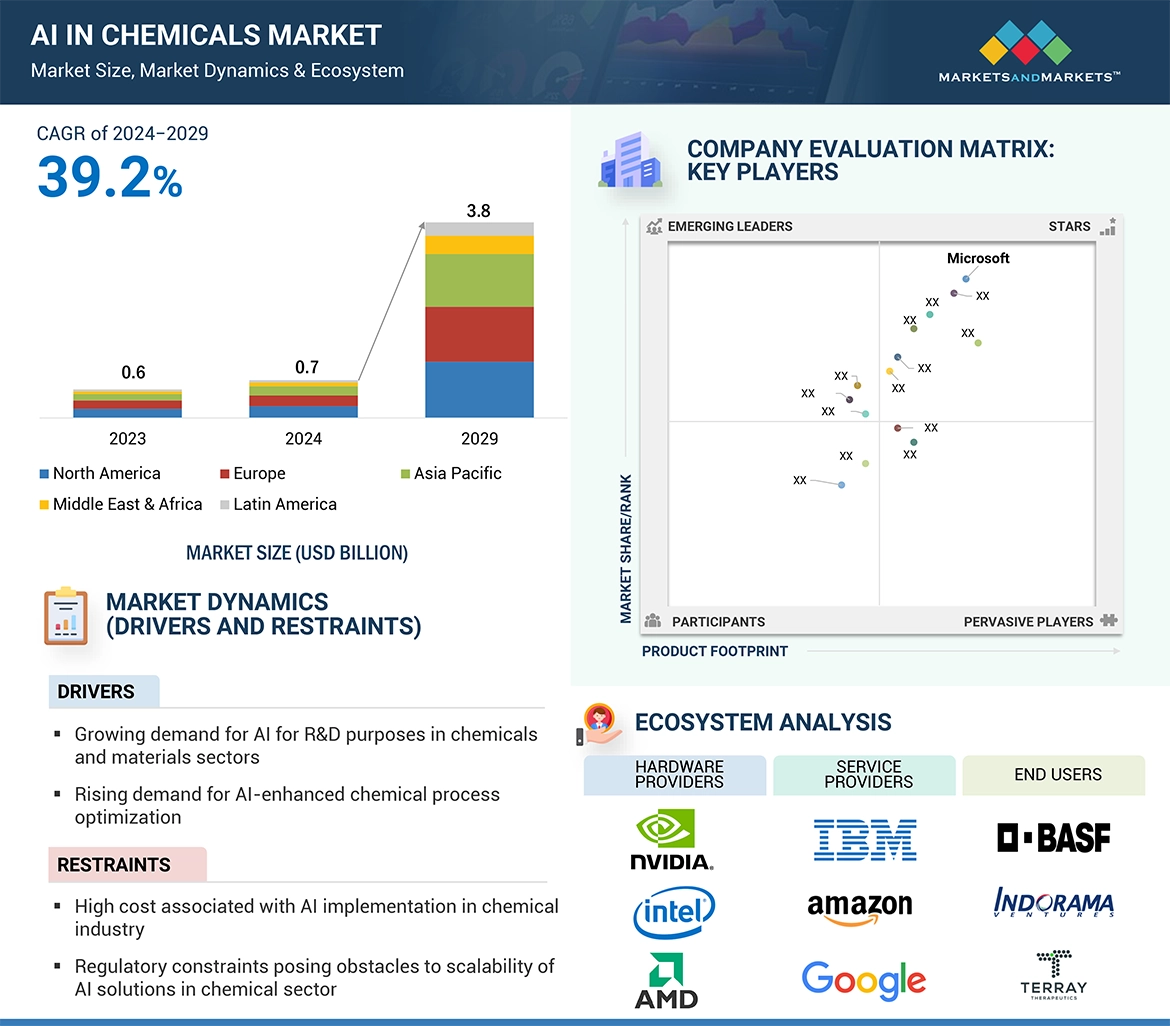
The next decade will see AI fully integrated into petrochemical exports. By 2030, more than 70% of exporters in Asia and the Middle East are expected to rely on petrochemical market forecasting powered by AI. Integration with blockchain will ensure data integrity, while IoT sensors in shipments will feed real-time logistics data into forecasting models.
Exporters who invest early in AI will not just react to markets, but actively shape them—deciding which regions to prioritize and at what prices to secure contracts.
Conclusion
AI in petrochemical trade is no longer optional; it is the foundation of competitive advantage. Exporters who embrace AI demand forecasting can anticipate price shifts, identify new markets, and negotiate better deals. Those who rely on outdated manual forecasting risk losing ground to faster, data-driven competitors.